
Service
Deer Number Survey & Impact Assessment
Before any management action gets recommended, we need a proper picture of what's actually happening on your land: which species are present, roughly how many, where they're moving, and what damage, if any, they're doing to crops, woodland, or hedgerows. This survey is provided free of charge to landowners and farmers.
 Field SurveyFree
What this involves
- A walked survey of the land, including boundaries, woodland edges, and known deer routes
- Identification of species present (e.g. roe, muntjac, fallow, red) and an estimate of local density
- Trail cameras can be placed at key points, where it's useful and you're happy for us to, to confirm species, get a real sense of numbers, and map the routes deer are actually using
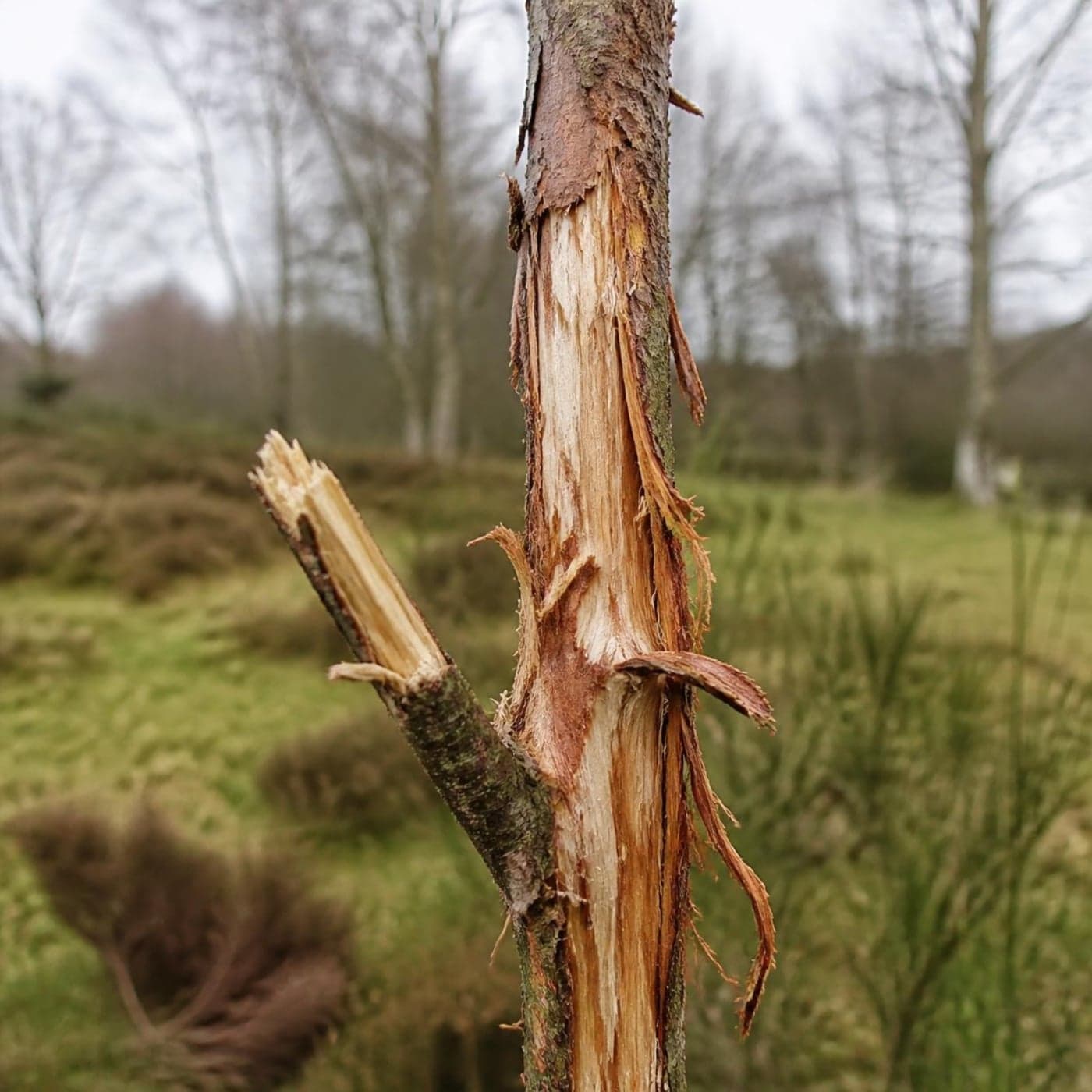
- Assessment of browsing damage to crops, saplings, hedgerows, and woodland understorey
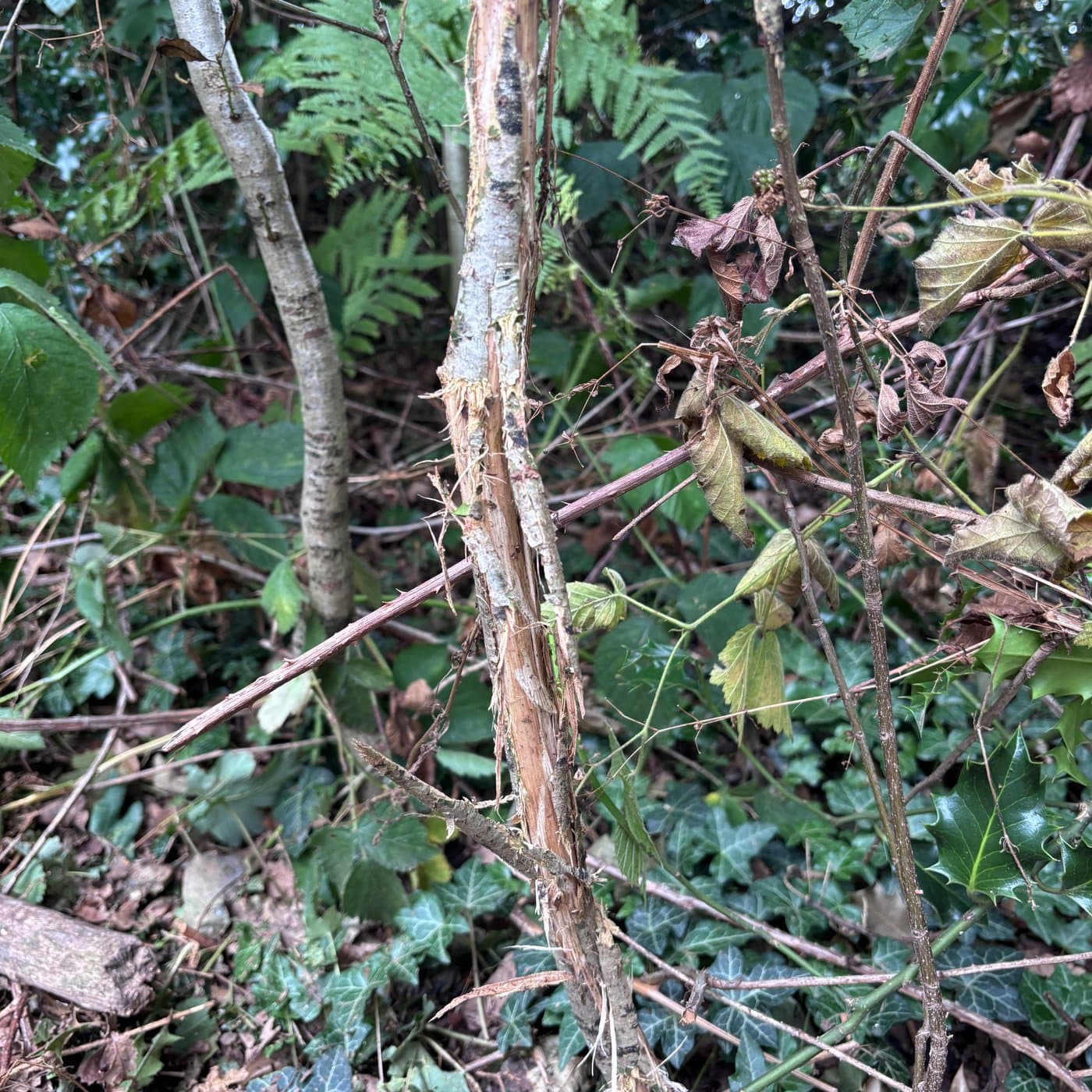
- Review of any existing evidence: sightings, droppings, tracks, fraying, and vehicle strike history
- A clear summary of findings in plain language, no jargon
Trail cameras: seeing what a walked survey alone can't
Where it's useful, and with your agreement, trail cameras can be set up at key points around the land, often along woodland edges and known routes. They help fill in any gaps from the survey: confirming which species are actually present, building a more reliable estimate of numbers, and mapping the routes deer are using most often. The clip below, captured on one of our cameras, shows a roe buck browsing a young tree before making a scrape mark to mark out its territory, then fraying its antlers against the trunk, exactly the kind of behaviour and evidence a survey is looking to identify.
Why it matters
Deer management that isn't based on accurate numbers tends to either under-react, so the damage carries on, or over-react, with more culling than's actually needed. A proper survey keeps any action that follows proportionate and justified, which matters both for your land and for the animals.
What to expect
- 1
Initial conversation
A short call or message to understand your land, your concerns, and what you've noticed so far.
- 2
Site visit
A walked survey at a time that suits you: just point us in the right direction and we'll take it from there.
- 3
Clear summary
A clear idea of deer numbers, species, and impact, with an honest view on whether further action is needed.