
Deer species · Introduced
Fallow deer
Dama dama
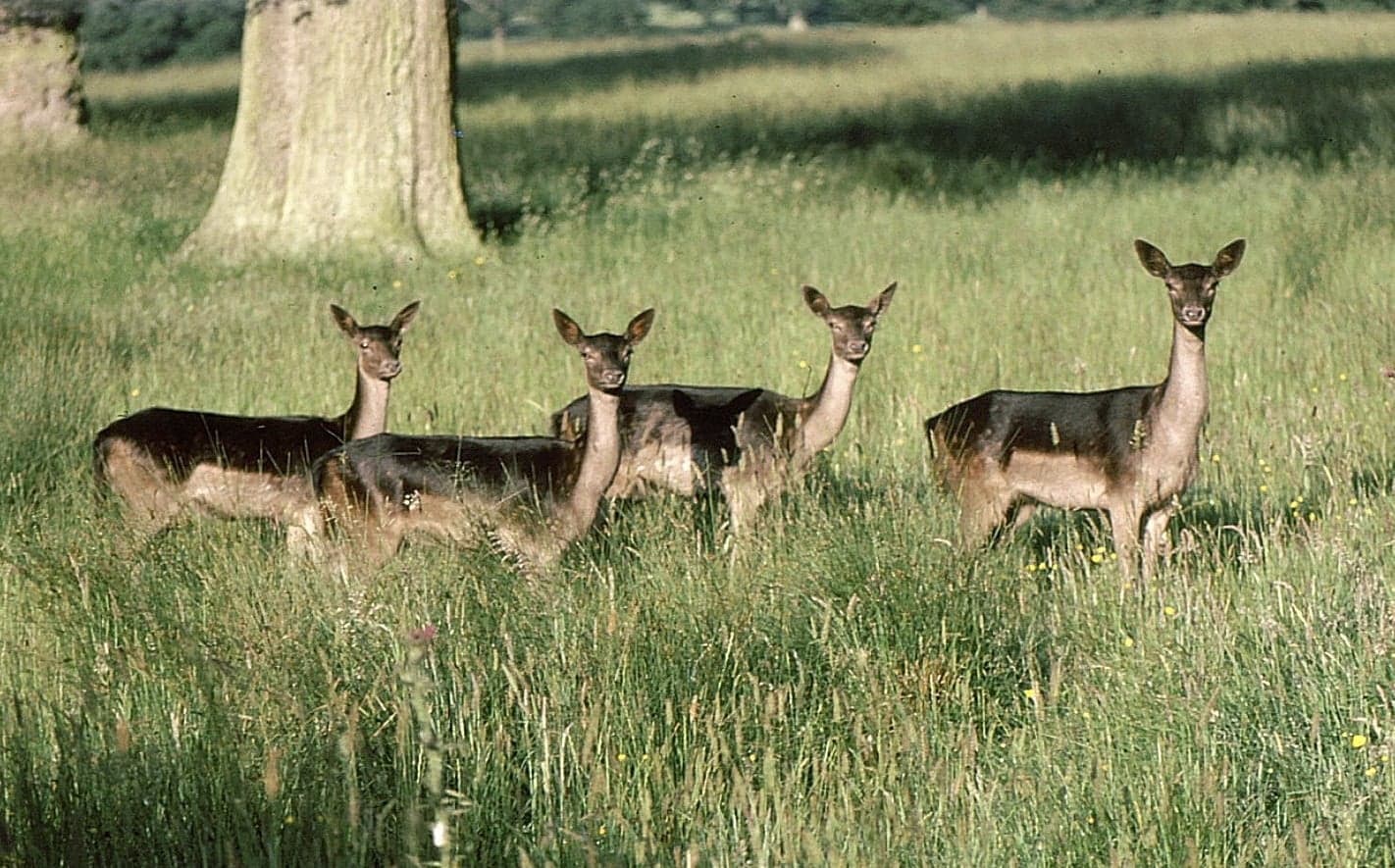
Herd deer with broad, palmate antlers and a groaning autumn rut, long associated with parkland and larger estate woods.
Photo: Ray Bird / Geograph.org.uk, CC BY-SA 2.0
- Shoulder
- 73–95 cm
- Bucks 84–95 cm
- Weight
- 35–95 kg
- Bucks 46–95 kg, does 35–56 kg
- Antlers
- Broad, palmate
- Bucks only, cast Apr–May
- Rut
- Oct – early Nov
- Peaking in mid-October
- Fawns born
- Jun – Jul
- A single fawn
- Open season
- Bucks Aug–Apr
- Does 1 Nov – 31 Mar
How to recognise them
Spotted coats and palm-shaped antlers
Fallow are bigger than roe, often live in groups, and come in four main coat varieties: common, menil, melanistic, and white.
- Common fallow are tan with white spots in summer, fading to grey in winter; menil are paler and spotted all year; melanistic are black or dark chocolate; and white fallow, which aren't albino, whiten further with age
- The longest tail of any British deer, with a black stripe, and a black horseshoe around the white rump
- Bucks carry broad, palmate antlers, the only UK deer that do
- In woodland, the sexes live apart for much of the year, only coming together to breed
- A long face and large, angular ears
Signs and sounds
How to tell fallow are about
Tracks
Slots about 6 cm long, longer and heavier than a roe's, so they leave deeper prints.
Calls
Bucks groan loudly through the rut, and does with fawns give a short bark when alarmed.
Damage
Browsing of tree shoots and farm crops, and at high densities they can do a lot of damage locally. Bucks also fray and break young trees when rubbing the velvet off their antlers in late summer.
The fallow year
When to expect what
In most populations, bucks hold a traditional rutting stand each autumn and groan loudly to attract does. See the full deer calendar →
Protecting against fallow
What actually stops them
Where we see them
In the areas we cover
Widespread across England, in mature broadleaf woodland, open coniferous woodland, and farmland, and often around parkland and estates with a history of deer parks.
Other species
Not sure it's fallow?
Roe deer
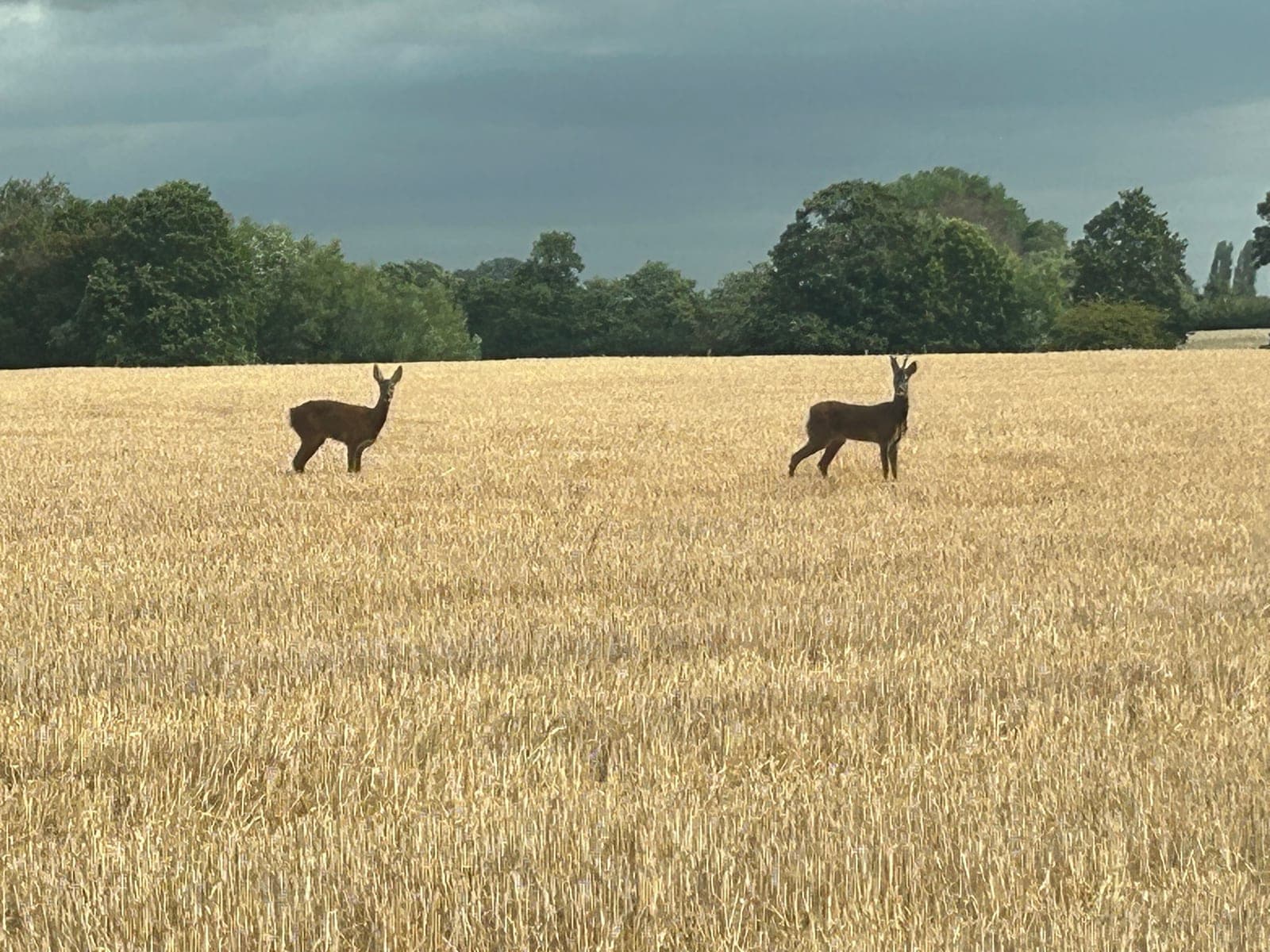
One of only two truly native deer in Britain, and the one you're most likely to have on your land anywhere across Yorkshire and the North.
Muntjac
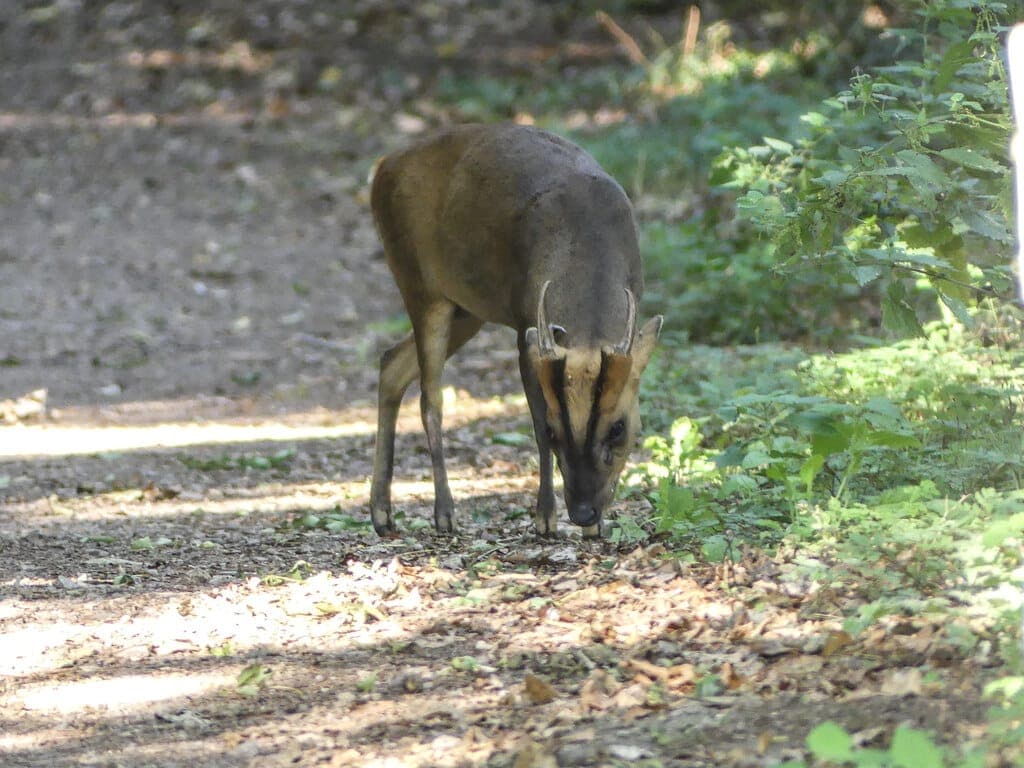
Small, secretive, and breeding all year round. Reeves' muntjac were brought from China to Woburn Park around the turn of the 20th century, and have been classed as an invasive species since 2019.
Red deer
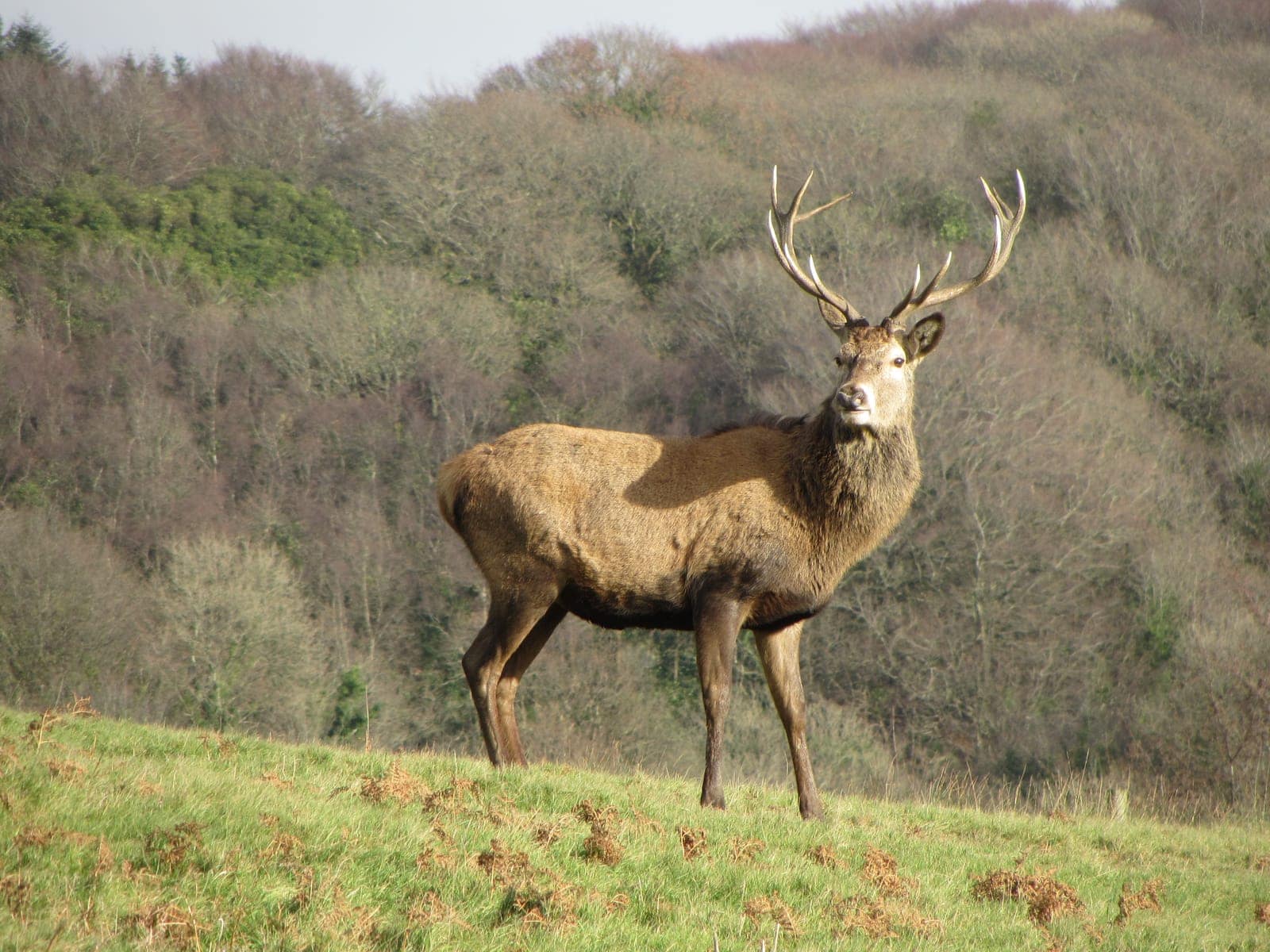
Britain's largest land mammal, and one of only two truly native deer. In England they prefer woodland and forest, but adapt to open moor and hills.
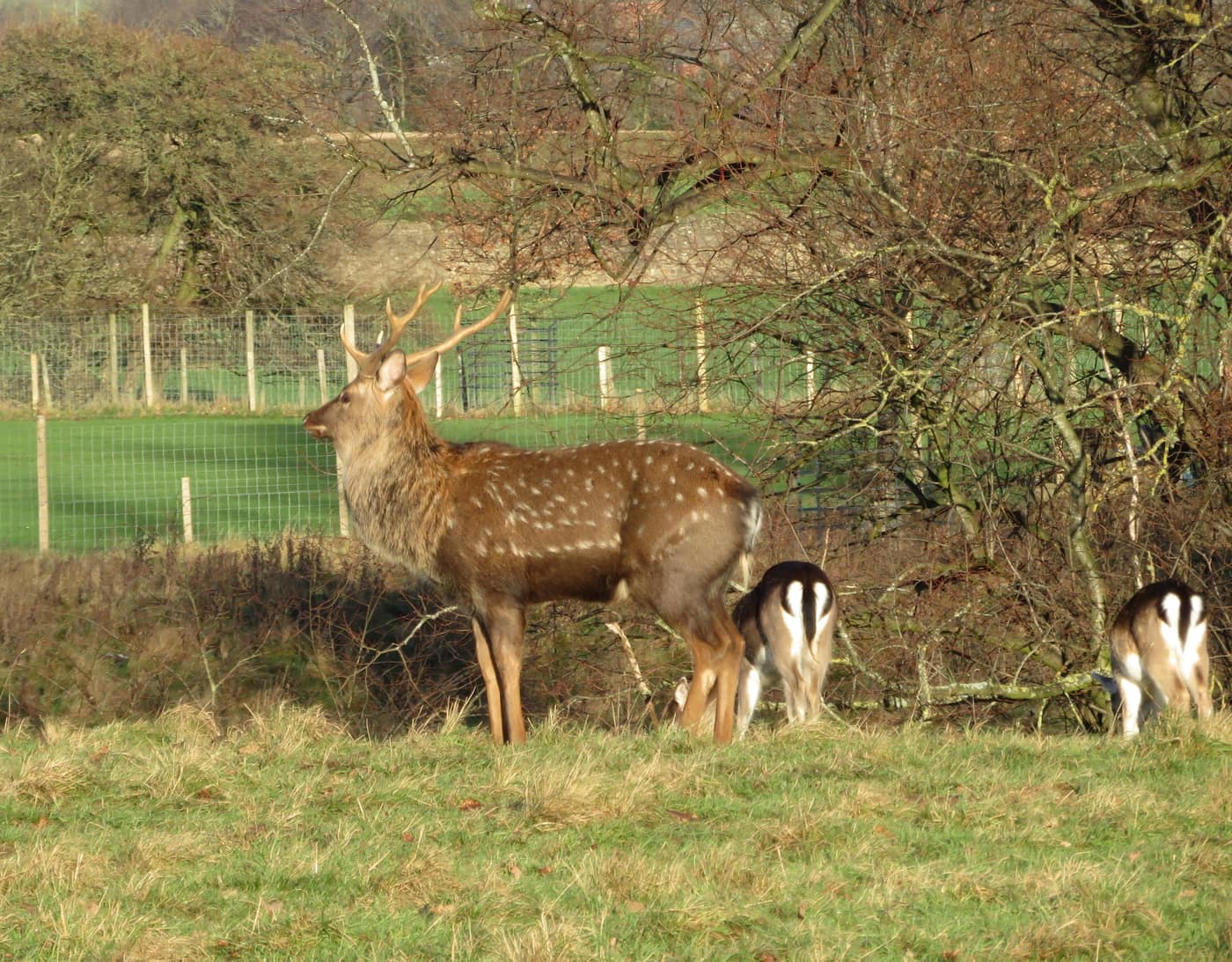
Sika deer
Introduced from the Far East in 1860, sika are close relatives of red deer, known for bark stripping and an extraordinary range of calls.
Fallow causing damage on your land?
A free survey tells you how many there are, where they're coming from, and whether anything needs doing about it.
Or call Chris on 07397 942663. He'll call you back the same day.