
Deer species · Native
Roe deer
Capreolus capreolus
One of only two truly native deer in Britain, and the one you're most likely to have on your land anywhere across Yorkshire and the North.
- Shoulder
- 60–75 cm
- A medium-sized deer
- Weight
- 10–27 kg
- Depending on habitat
- Antlers
- Up to 3 points
- Bucks only, cast Nov–Dec
- Rut
- Jul – Aug
- Mid-July to mid-August
- Kids born
- Late Apr – Jun
- One to three, often twins
- Open season
- Bucks Apr–Oct
- Does 1 Nov – 31 Mar
How to recognise them
Small, neat, and with no visible tail
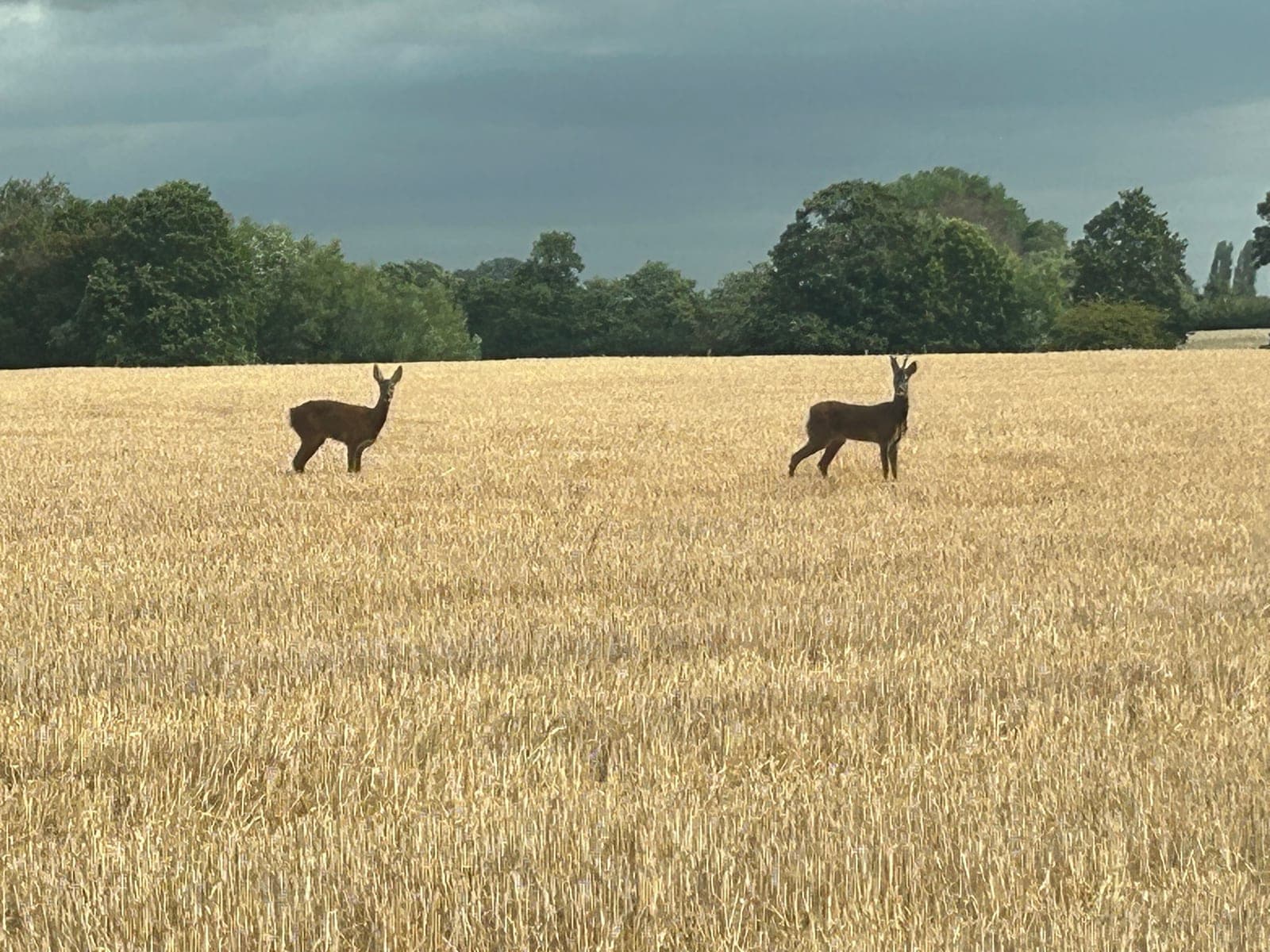
Roe are attractive, medium-sized deer, strongly associated with woodland edges, copses, scrub, and hedgerows, and the farmland around them.
- A bright, rusty-red coat in summer, turning a dull slate grey in winter
- A prominent white rump and no visible tail, though does grow a small tuft of hair there in winter
- Large black eyes, nose, and mouth, set off by pale patches, and large ears
- Bucks carry small antlers with up to three points each when fully grown
- Usually seen alone, sometimes in small groups in winter
Signs and sounds
How to tell roe are about
Tracks
Small, neat slots about 4 cm long in soft ground, often along well-worn paths across their range.
Calls
Both sexes give a dog-like bark when startled. In the rut, does attract bucks with a high-pitched piping call, and lost kids whistle for their mothers.
Damage
Browsed buds and shoots on young trees and hedges, frayed bark on small trees, and patches of soft ground and vegetation scraped and dug with their hooves.
The roe year
When to expect what
Roe mate in summer, but the fertilised egg doesn't implant and start growing until January, so kids still arrive between late April and June. See the full deer calendar →
Protecting against roe
What actually stops them
Where we see them
In the areas we cover
Roe are abundant throughout the UK except Northern Ireland, and we find them across every area we cover, especially along woodland edges, copses, and hedgerows.
Other species
Not sure it's roe?
Muntjac
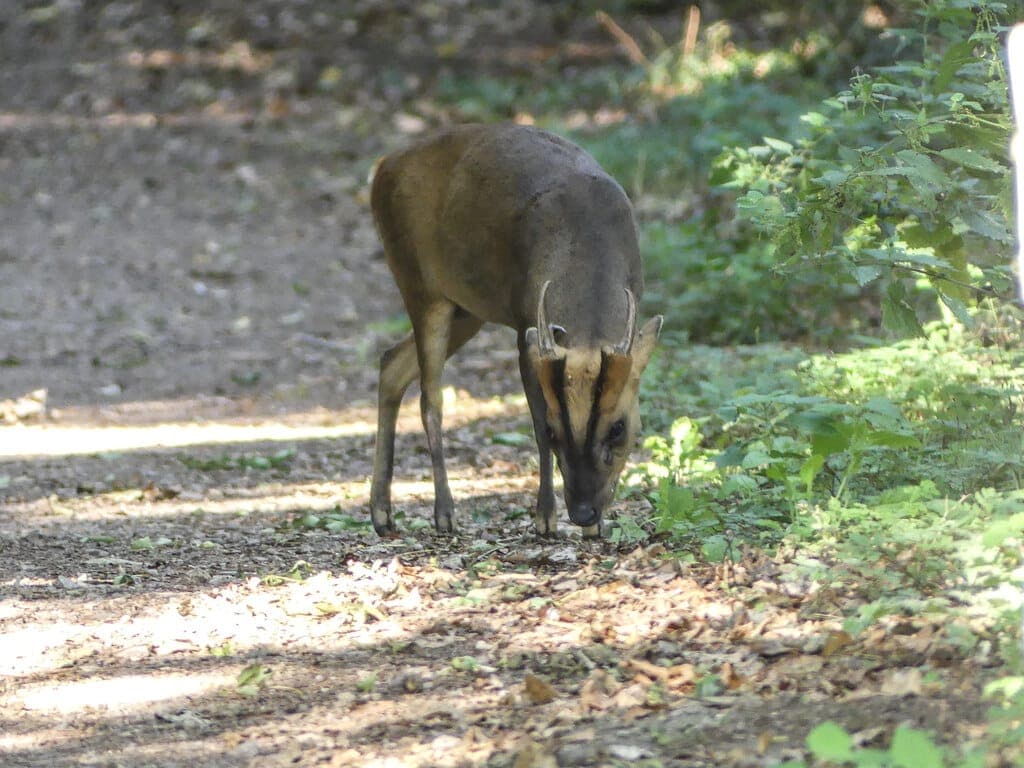
Small, secretive, and breeding all year round. Reeves' muntjac were brought from China to Woburn Park around the turn of the 20th century, and have been classed as an invasive species since 2019.
Fallow deer
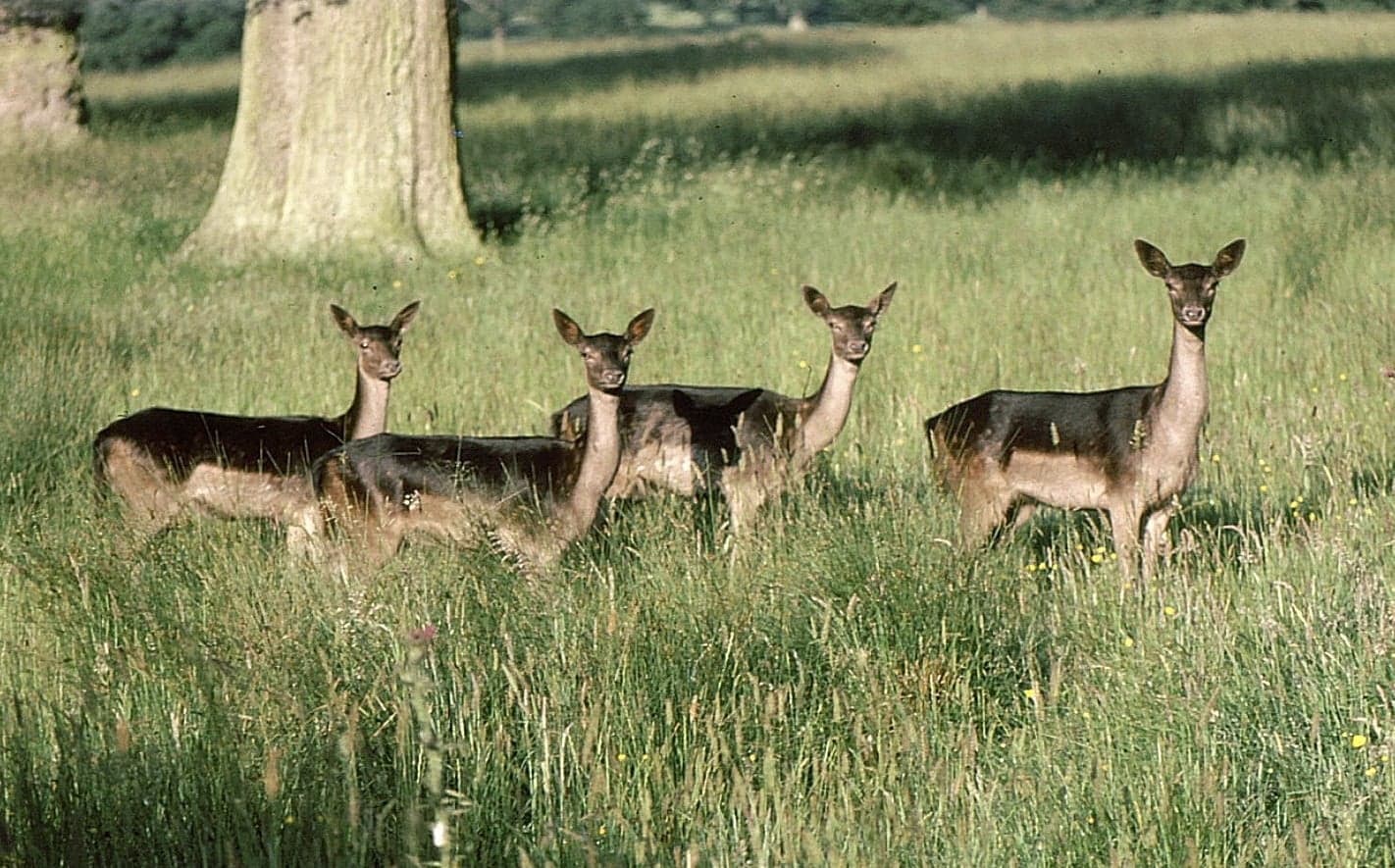
Herd deer with broad, palmate antlers and a groaning autumn rut, long associated with parkland and larger estate woods.
Red deer
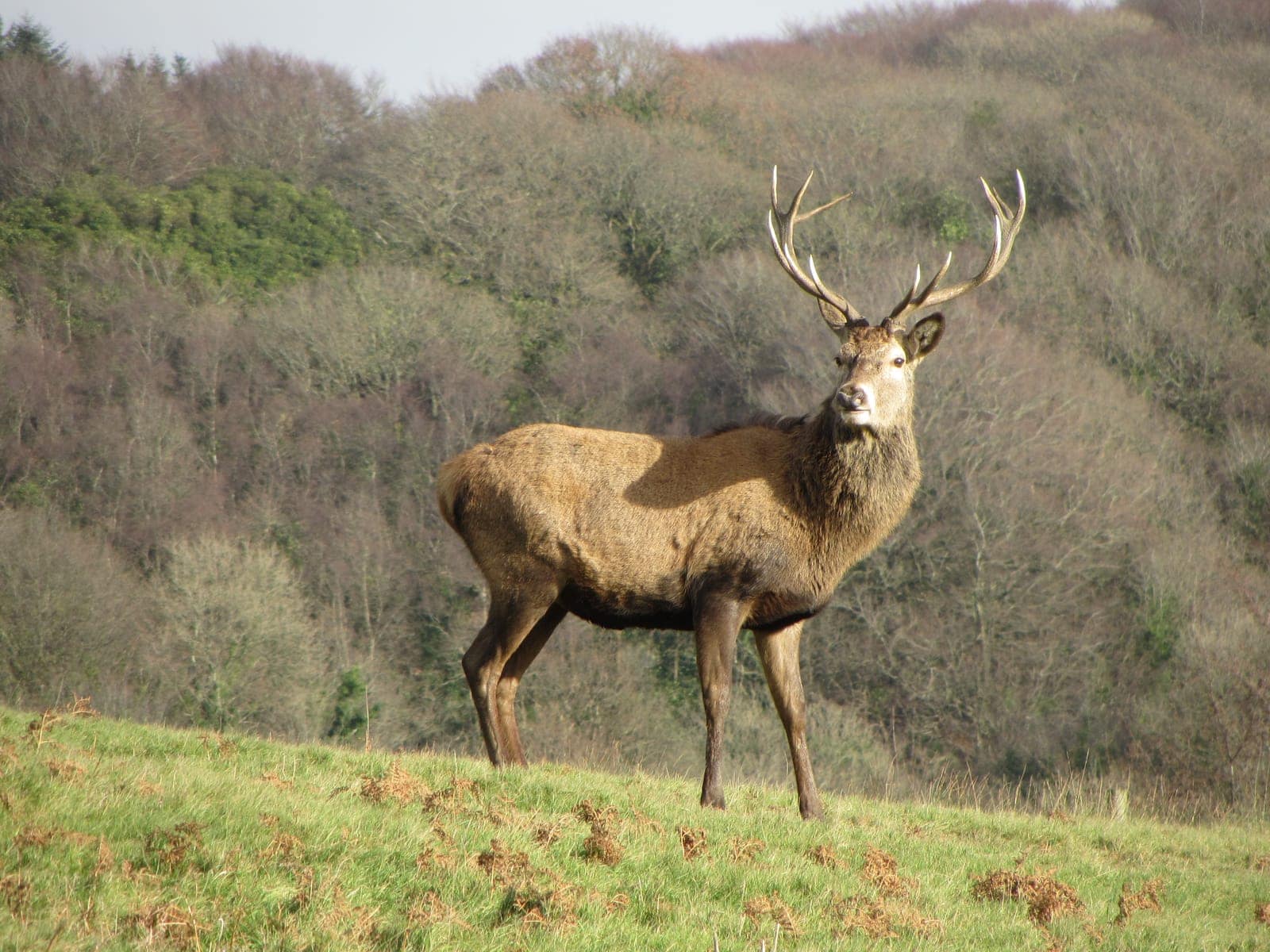
Britain's largest land mammal, and one of only two truly native deer. In England they prefer woodland and forest, but adapt to open moor and hills.
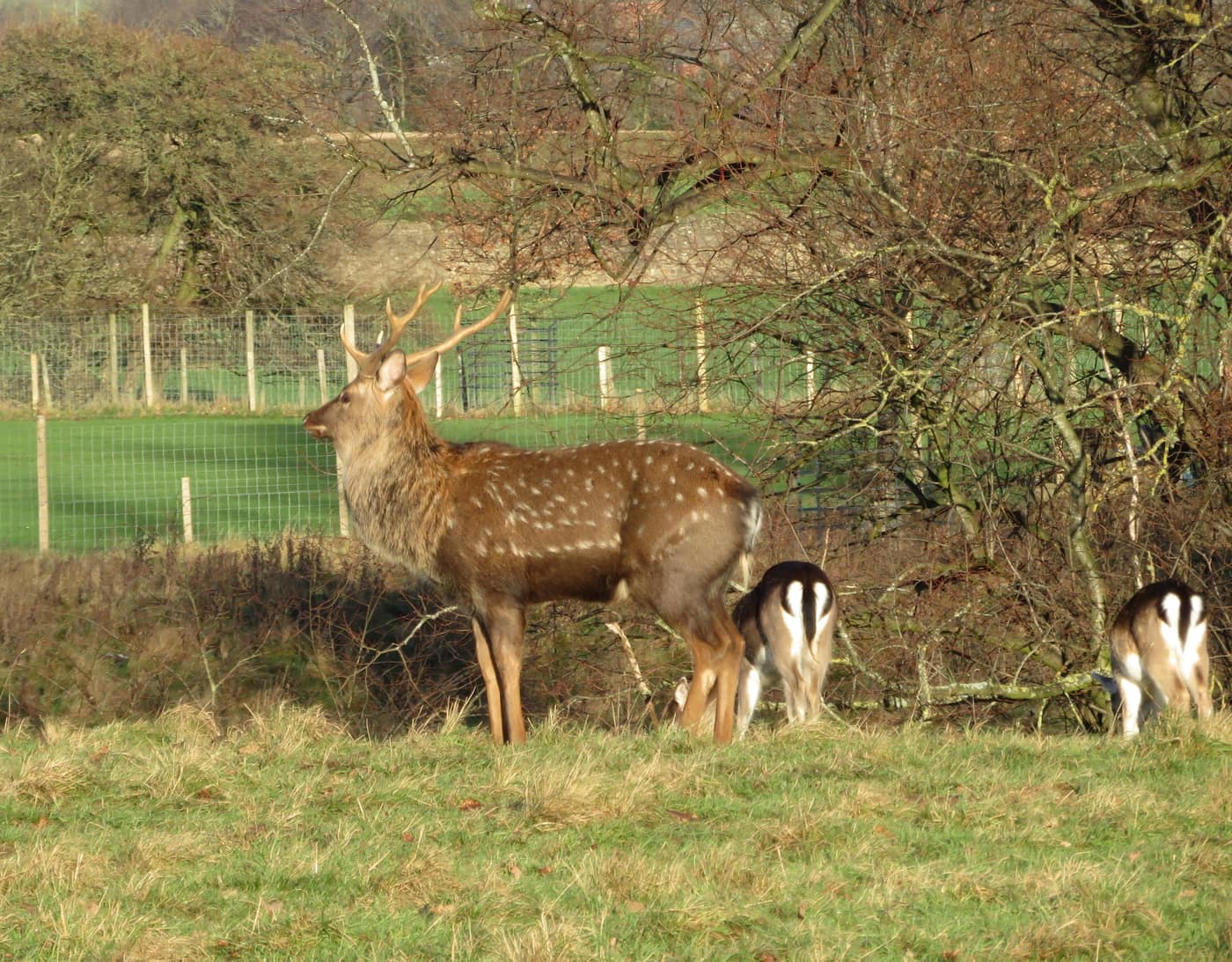
Sika deer
Introduced from the Far East in 1860, sika are close relatives of red deer, known for bark stripping and an extraordinary range of calls.
Roe causing damage on your land?
A free survey tells you how many there are, where they're coming from, and whether anything needs doing about it.
Or call Chris on 07397 942663. He'll call you back the same day.