
Deer species · Introduced
Sika deer
Cervus nippon
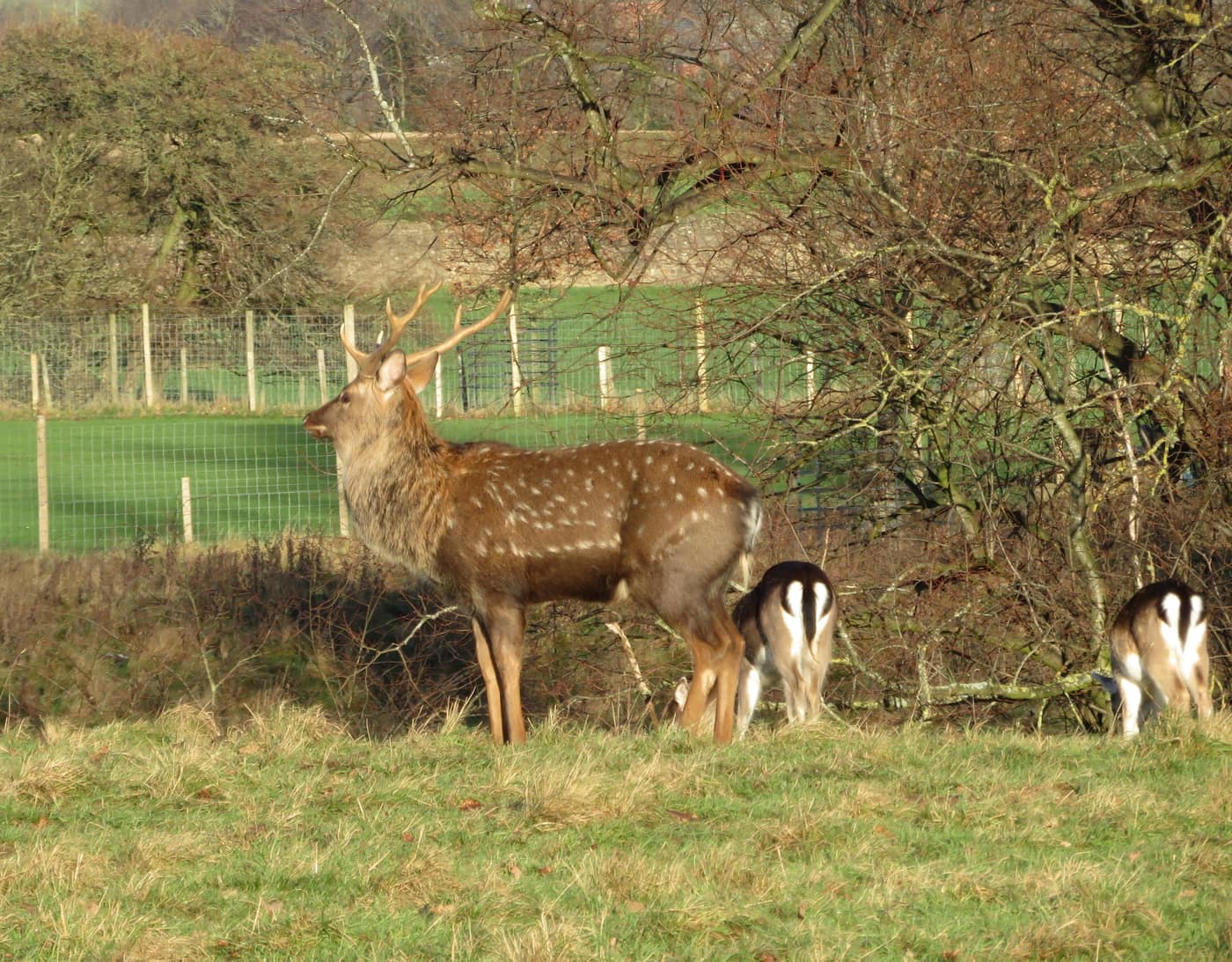
Introduced from the Far East in 1860, sika are close relatives of red deer, known for bark stripping and an extraordinary range of calls.
Photo: Gordon Hatton / Geograph.org.uk, CC BY-SA 2.0
- Shoulder
- 50–95 cm
- Stags 70–95 cm, hinds 50–85 cm
- Weight
- 30–70 kg
- Stags 40–70 kg, hinds 30–45 kg
- Antlers
- Up to 8 points
- Stags only, cast Mar–May
- Rut
- Late Sep – Nov
- End of September to November
- Calves born
- May – Jul
- A single calf, rarely twins
- Open season
- Stags Aug–Apr
- Hinds 1 Nov – 31 Mar
How to recognise them
Like a small red deer, with a heart-shaped rump
Sika can look like fallow in summer because of their spots, but the tail, rump, and antlers give them away.
- Yellow-brown to red-brown with white spots in summer, dark grey to black in winter, often with a dark stripe along the back
- A heart-shaped white rump with a black upper border, and a shorter tail than fallow with a fainter black line
- Very noticeable white glands on the hind legs
- Stags' antlers are widely spaced, with the front point at about 45° and up to eight points in all
- A small head for the size of the body
Signs and sounds
How to tell sika are about
Tracks
Slots about 7 cm long, similar to red deer but slightly smaller and narrower.
Calls
A huge repertoire, from groaning stags to clacking noises, whistles, and screams. Both sexes bark when alarmed.
Damage
Browsing of tree shoots and crops, bark stripping, and bole scoring, where stags gouge the bark of plantation trees with their antlers.
The sika year
When to expect what
Sika can interbreed with red deer, and later generations of hybrids can look like either parent, which is a real threat to pure native red deer wherever the two meet. See the full deer calendar →
Protecting against sika
What actually stops them
Where we see them
In the areas we cover
Patchy across England, in bands across the north and south. In our area, wild sika are mostly found in and around the Forest of Bowland in East Lancashire, descended from deer that escaped from Gisburne Park in the 1800s.
Other species
Not sure it's sika?
Roe deer
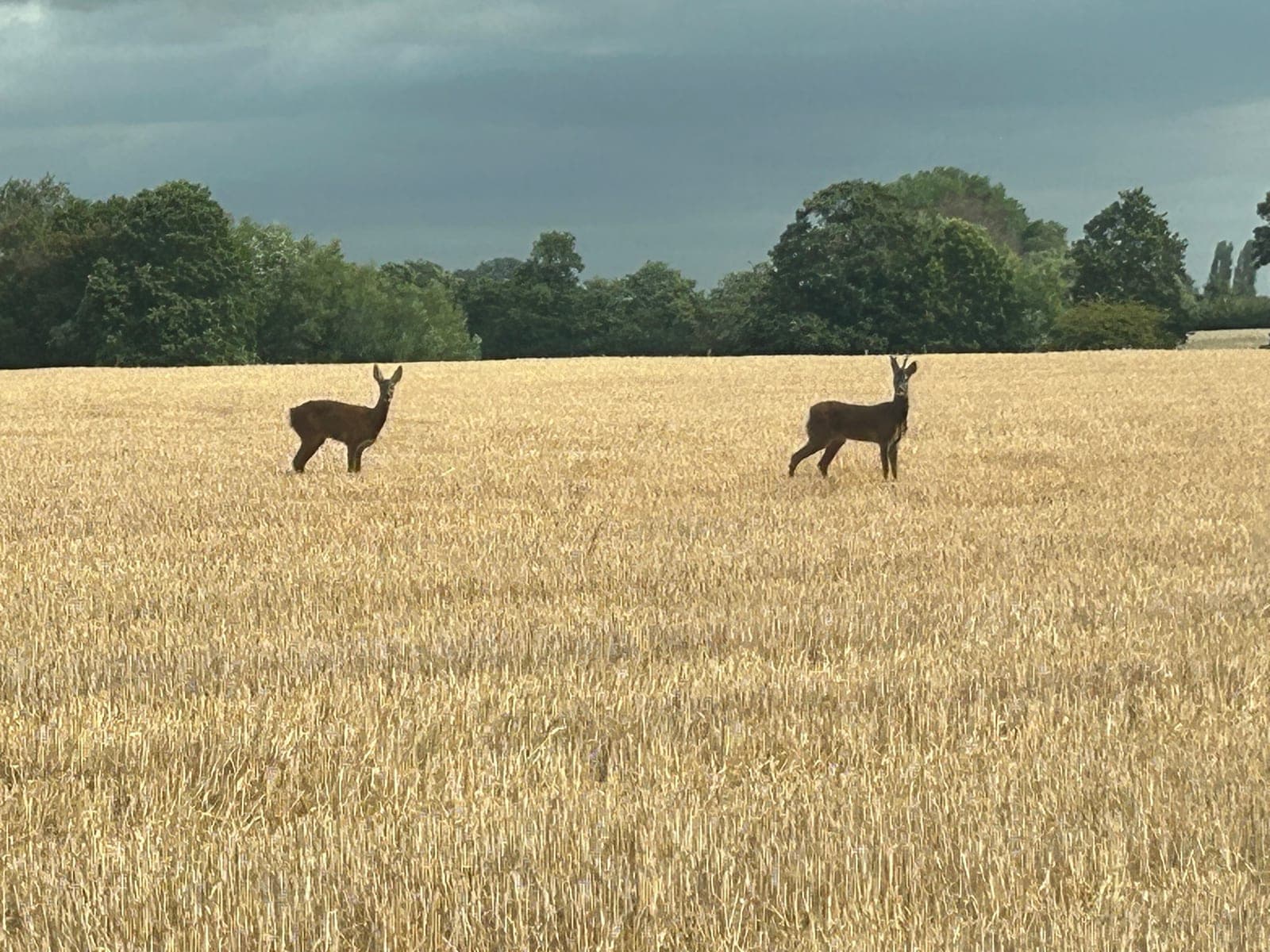
One of only two truly native deer in Britain, and the one you're most likely to have on your land anywhere across Yorkshire and the North.
Muntjac
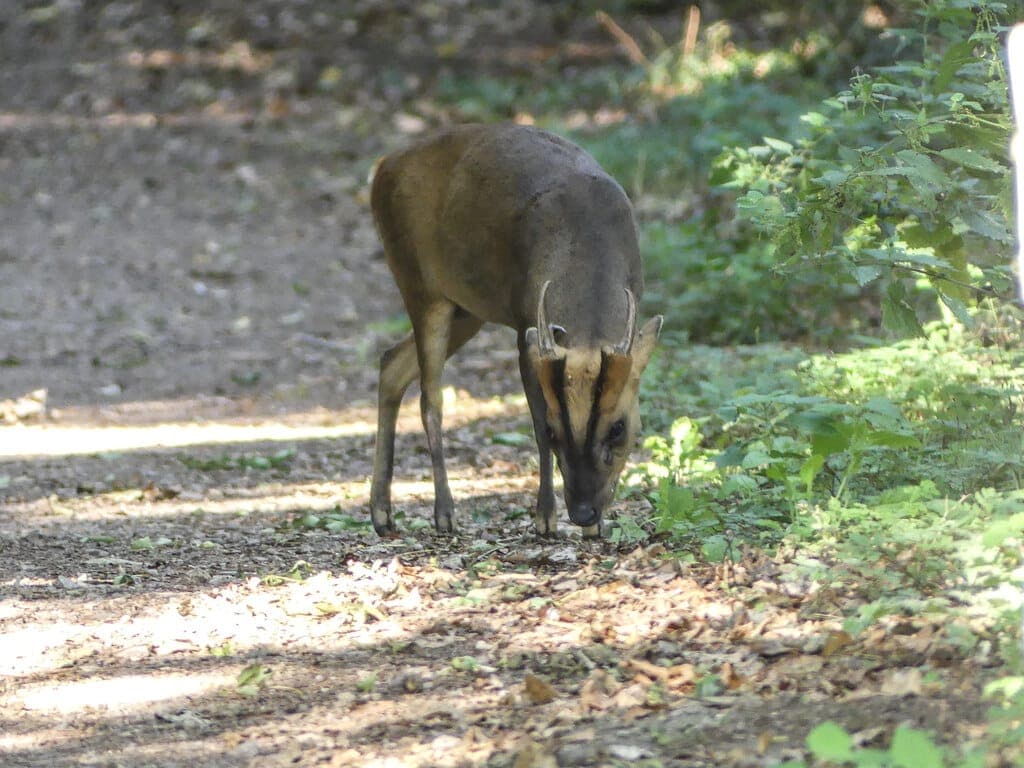
Small, secretive, and breeding all year round. Reeves' muntjac were brought from China to Woburn Park around the turn of the 20th century, and have been classed as an invasive species since 2019.
Fallow deer
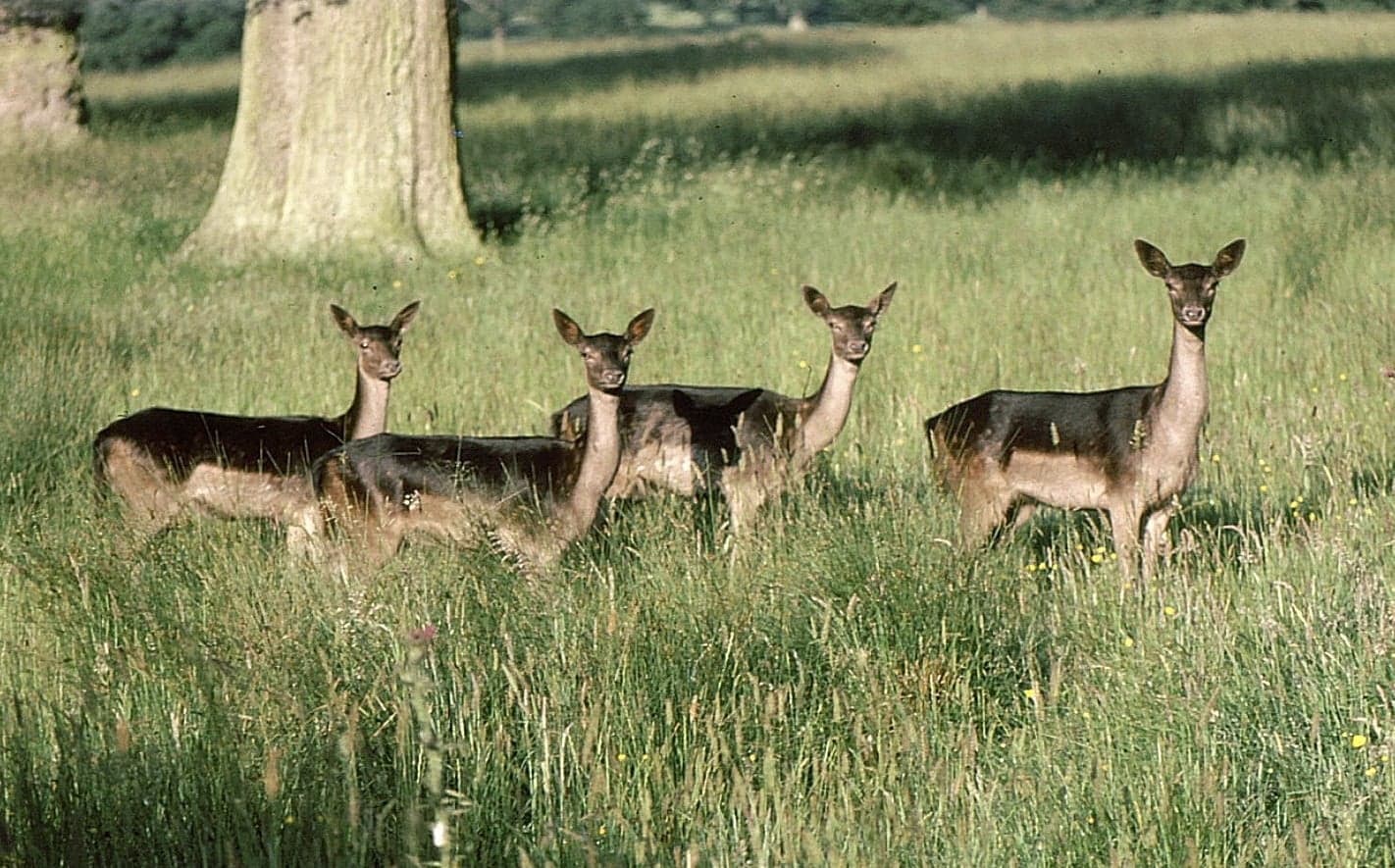
Herd deer with broad, palmate antlers and a groaning autumn rut, long associated with parkland and larger estate woods.
Red deer
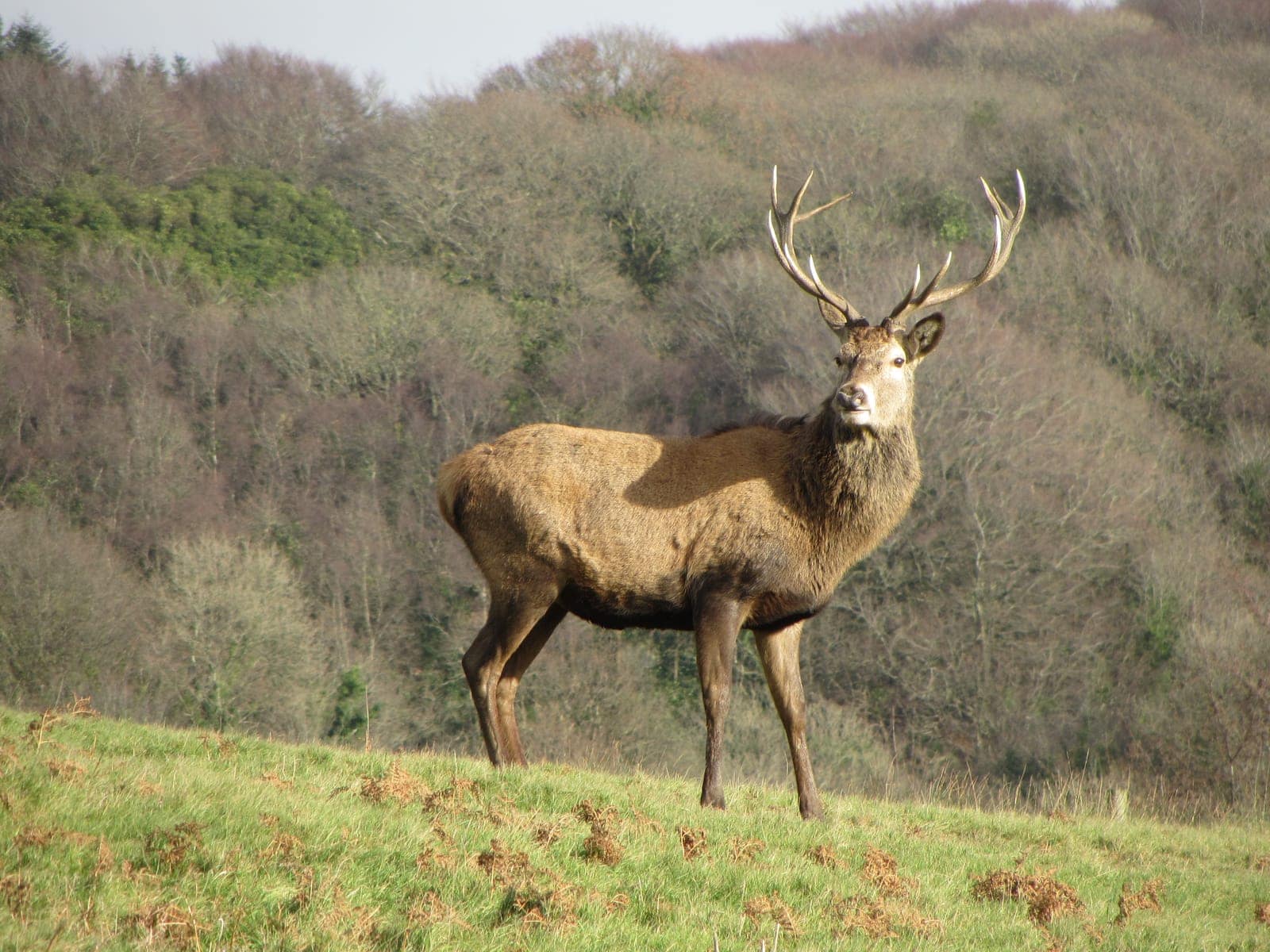
Britain's largest land mammal, and one of only two truly native deer. In England they prefer woodland and forest, but adapt to open moor and hills.
Sika causing damage on your land?
A free survey tells you how many there are, where they're coming from, and whether anything needs doing about it.
Or call Chris on 07397 942663. He'll call you back the same day.