
Deer species · Introduced
Muntjac
Muntiacus reevesi
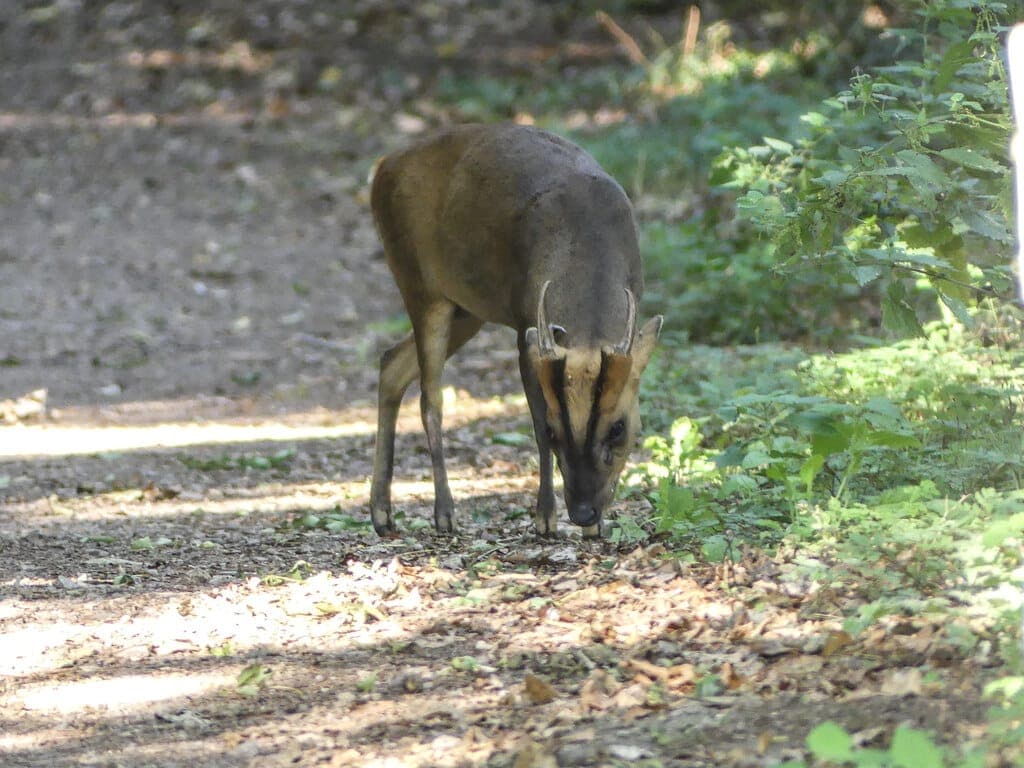
Small, secretive, and breeding all year round. Reeves' muntjac were brought from China to Woburn Park around the turn of the 20th century, and have been classed as an invasive species since 2019.
Photo: David Pashley / Wikimedia Commons, CC BY-SA 2.0
- Shoulder
- 44–52 cm
- Small but stocky
- Weight
- 9–20 kg
- Bucks 10–20 kg, does 9–16 kg
- Antlers
- Short, usually unbranched
- Bucks also have tusks
- Rut
- None
- They breed all year round
- Fawns born
- Any month
- A single fawn
- Open season
- All year
- No close season in England
How to recognise them
Small, stocky, and hunched
Muntjac are small but stocky, with a hunched look because their rump sits higher than their shoulders.
- A russet-brown coat for most of the year, turning dull grey in winter
- A wide, flat tail, raised to show a white underside when disturbed
- Bucks have small, usually unbranched antlers on long fur-covered bases, and tusks
- Bucks have bold black lines down the face; does have a dark patch on the crown
- Usually alone or in pairs, such as a doe with her fawn or a buck with a doe
Signs and sounds
How to tell muntjac are about
Tracks
Very small slots, about 2.5 cm long.
Calls
A bark that is loud for their size and often repeated, and a scream when frightened. Does and fawns keep in touch with a series of squeaks.
Damage
Browsing that, in high numbers, can stop coppice regenerating and harm plants of conservation importance such as primulas. They rarely cause significant damage to farm or timber crops, but they're a real concern for gardeners and allotment holders.
The muntjac year
When to expect what
Muntjac have no breeding season: a doe can conceive again within days of giving birth, and gives birth to a single fawn after around seven months. Because they breed all year, antler timings are only a general guide, and immature bucks may be in velvet, or carry clean antlers, at other times. See the full deer calendar →
Protecting against muntjac
What actually stops them
Where we see them
In the areas we cover
Widespread across south and central England, including North Nottinghamshire. North of the Humber they're patchier, though they've been recorded almost as far as the Scottish border.
Other species
Not sure it's muntjac?
Roe deer
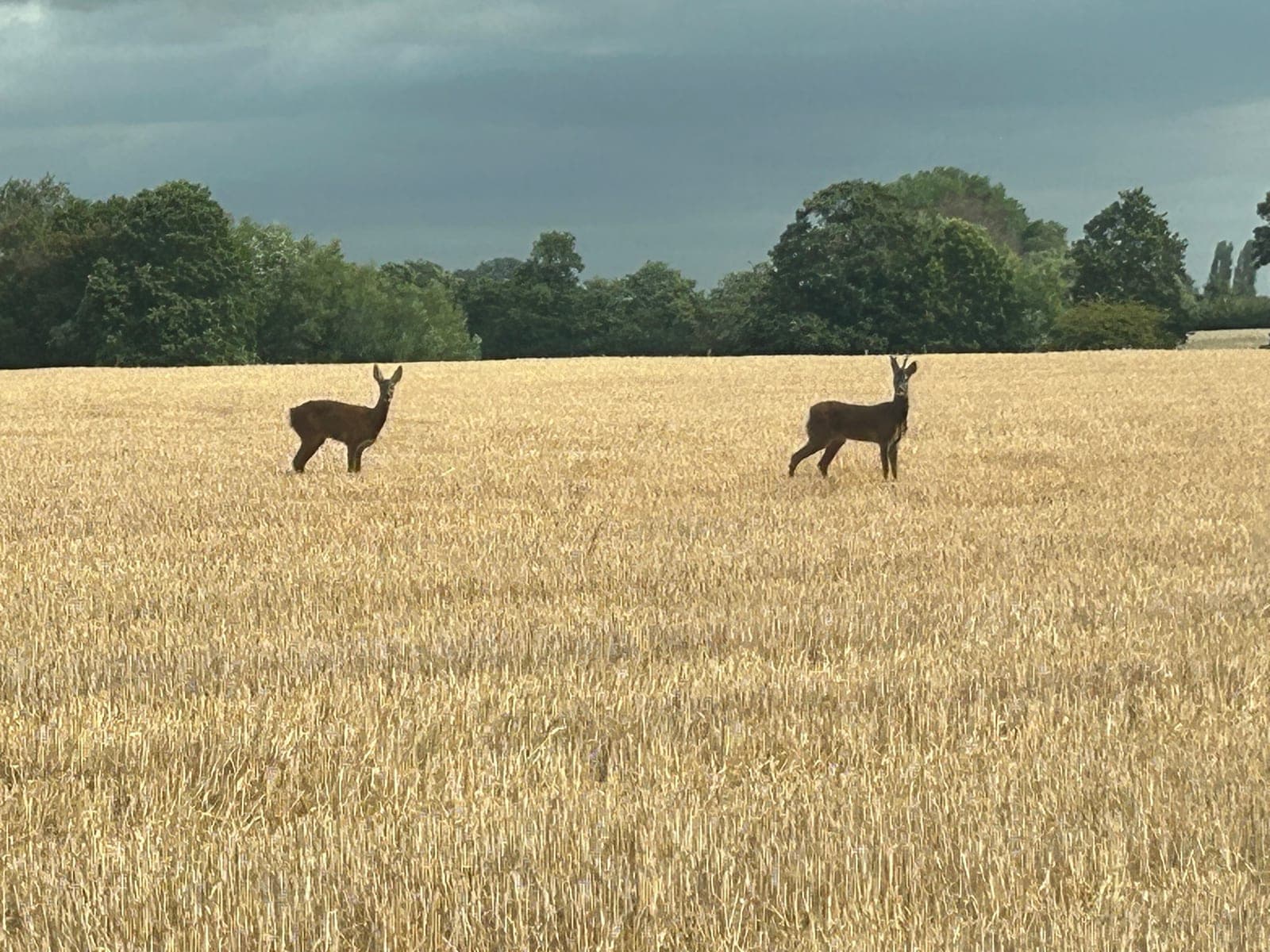
One of only two truly native deer in Britain, and the one you're most likely to have on your land anywhere across Yorkshire and the North.
Fallow deer
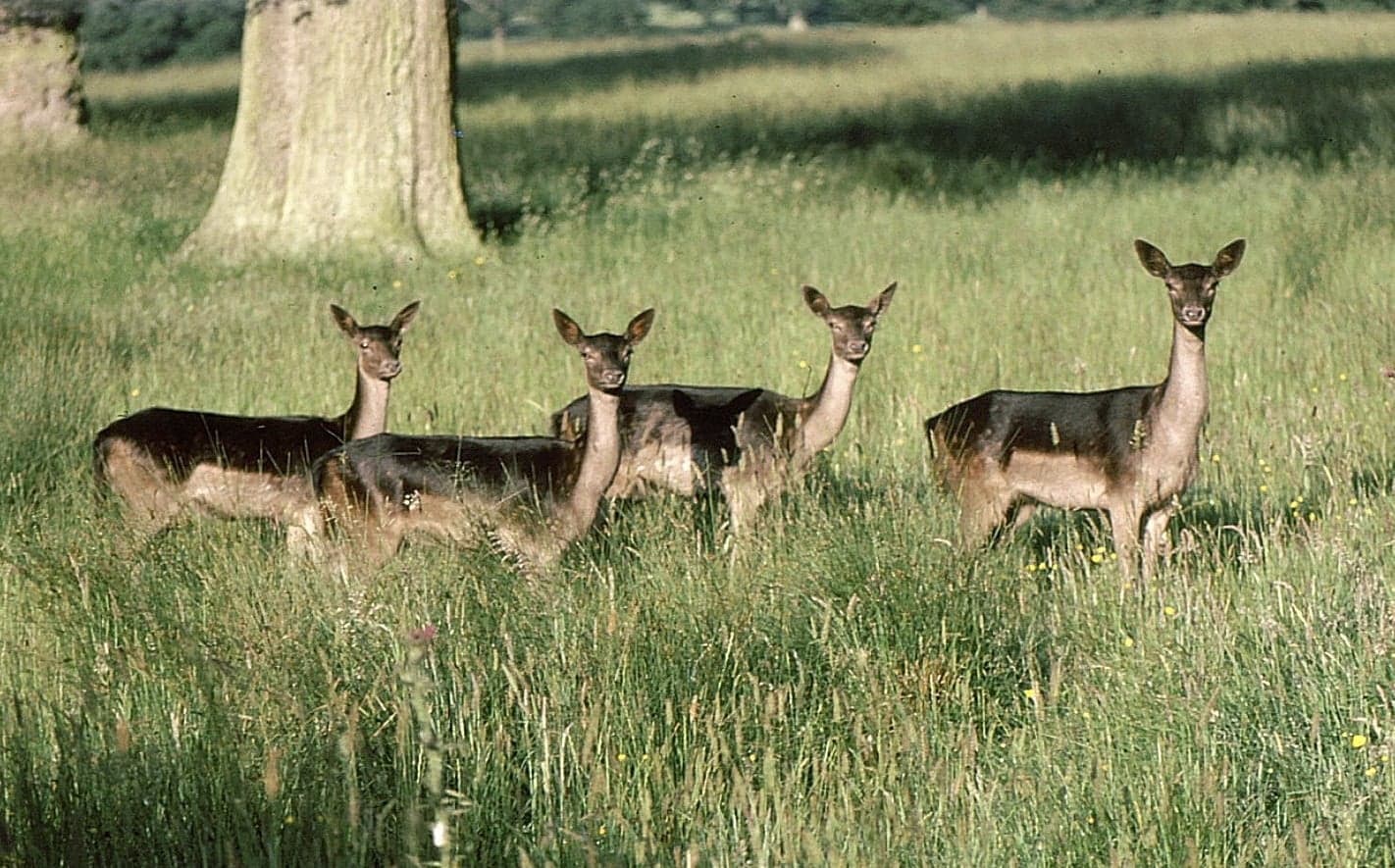
Herd deer with broad, palmate antlers and a groaning autumn rut, long associated with parkland and larger estate woods.
Red deer
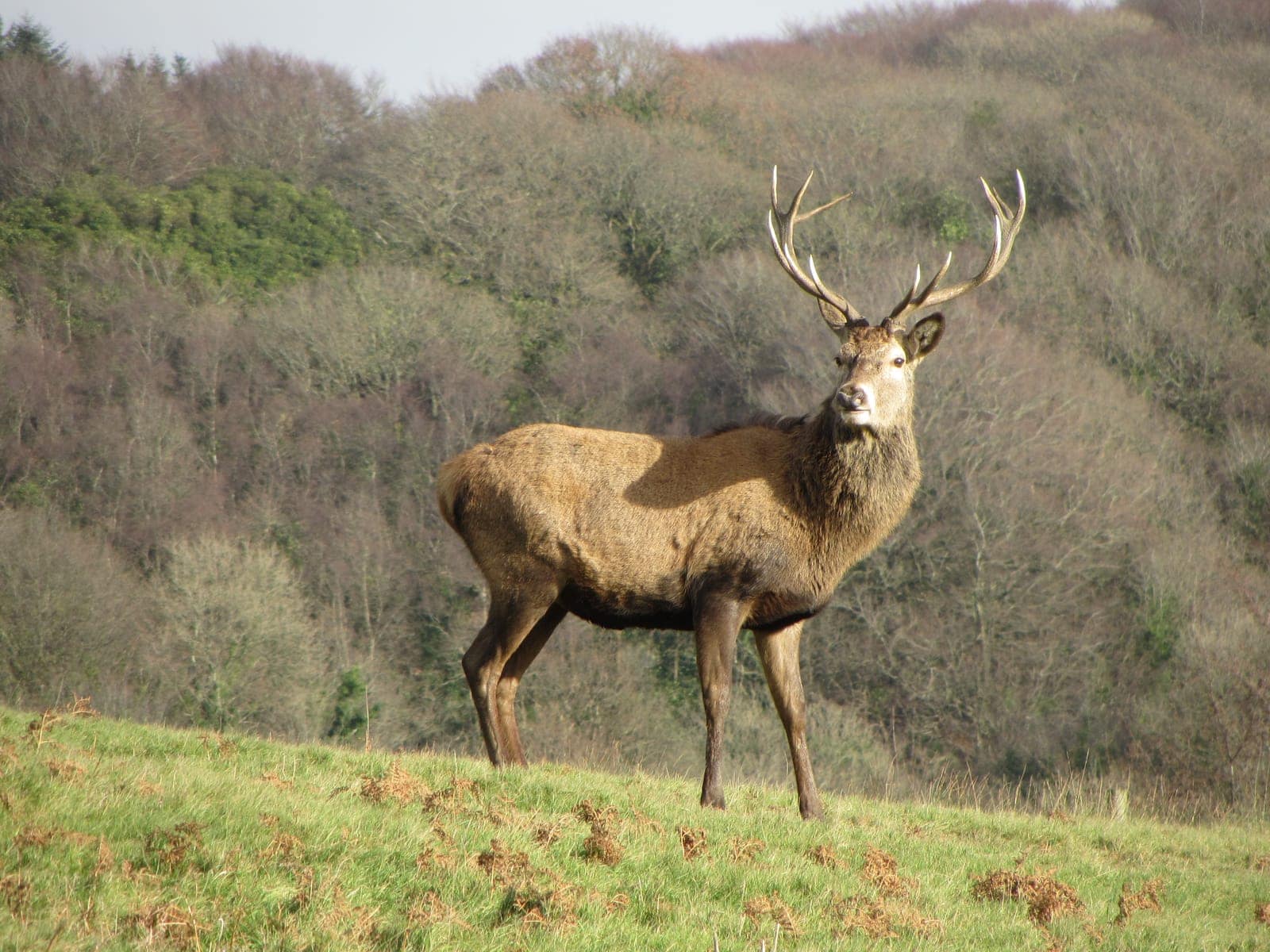
Britain's largest land mammal, and one of only two truly native deer. In England they prefer woodland and forest, but adapt to open moor and hills.
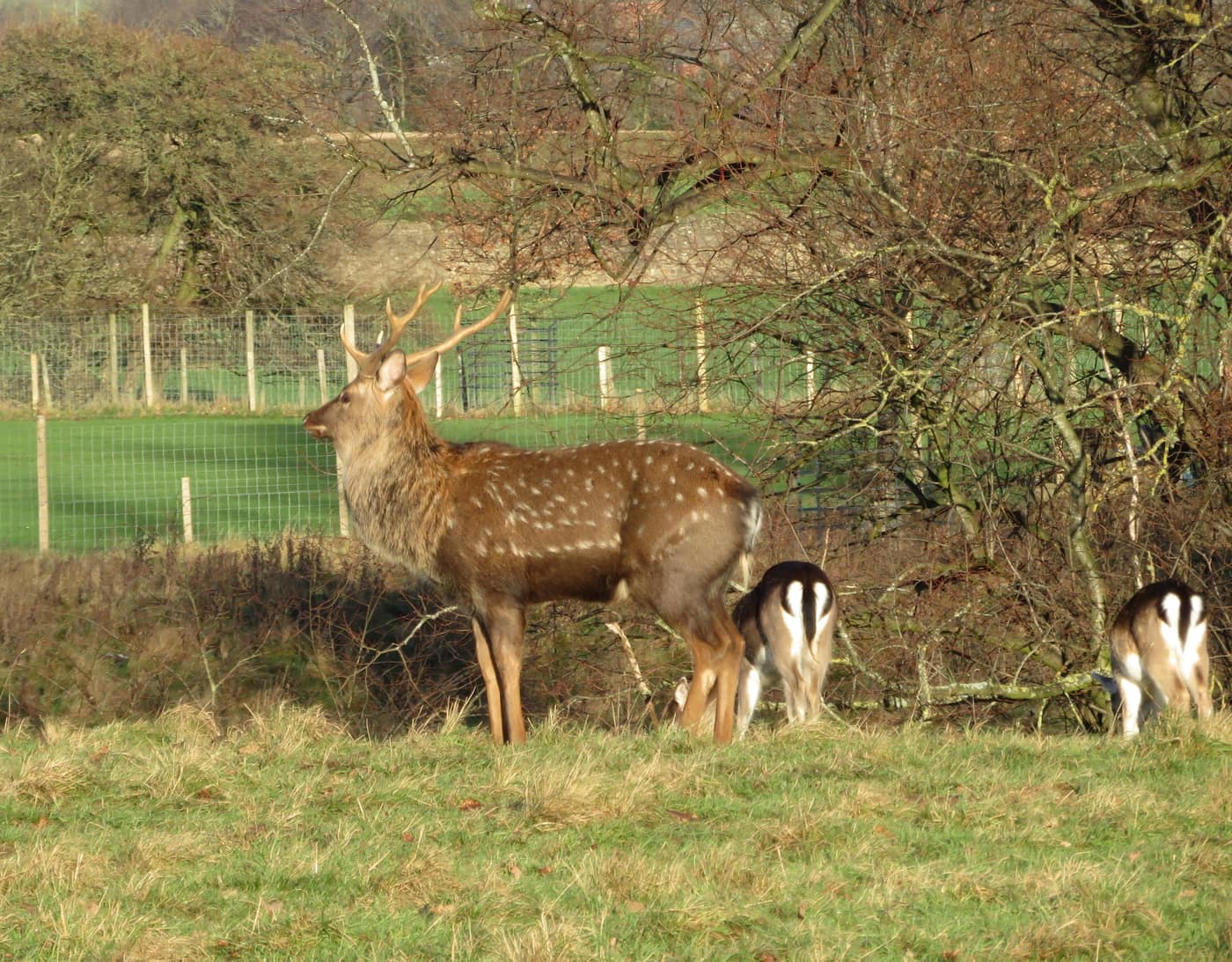
Sika deer
Introduced from the Far East in 1860, sika are close relatives of red deer, known for bark stripping and an extraordinary range of calls.
Muntjac causing damage on your land?
A free survey tells you how many there are, where they're coming from, and whether anything needs doing about it.
Or call Chris on 07397 942663. He'll call you back the same day.