
A Fox Has Killed Your Chickens: What to Do in the Next 24 Hours
By Chris Donaldson · 4 October 2026
Walking out to a run full of dead and injured birds is one of the worst mornings a poultry keeper has. It's tempting to clear it all away and try to forget it, but what you do in the next 24 hours decides whether it happens again tonight. A fox that has found a way in will almost always come back, often the very next night, and frequently to collect birds it killed and left behind.
1. Deal with injured birds first
Check every bird, including the ones that look fine. Birds with minor wounds should be separated somewhere quiet and secure, since the rest of the flock will peck at an open wound. Anything badly injured should be humanely dispatched or taken to a vet straight away rather than left to suffer.
2. Record the evidence before you clear up
Take photos of the birds where they lie, any bite marks, the entry point, and anything dug, chewed, or pushed through. Count what's dead, what's injured, and what's missing entirely. A fox typically bites at the neck and throat, kills more than it can eat, and carries one or two birds away. Mink, badgers, and dogs each leave different signs, covered in is a fox really killing your chickens?, and getting that right decides what actually fixes the problem. Once it's recorded, clear the carcasses away so they don't draw the fox straight back in.
3. Find how it got in
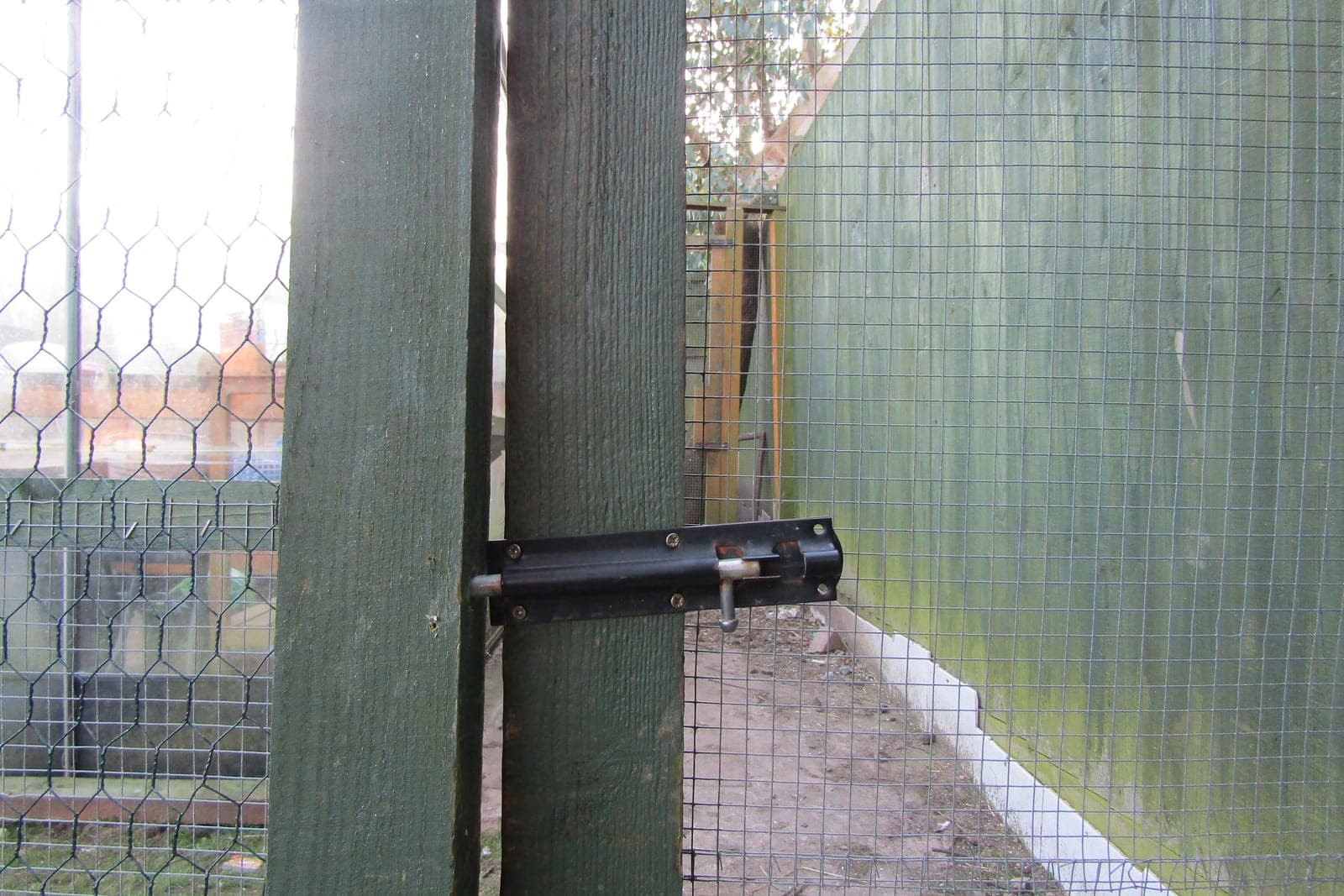
Walk the whole run and house, not just the obvious spot. The usual culprits are a pop-hole left open after dusk, a dig under the base of the fence, a gap where netting has sagged or been pushed up, a loose panel or door catch, and electric netting that's been shorted out by long grass or has a flat energiser. If you can't find a way in at all, look again for small gaps, because that points more toward mink than fox.
4. Make it secure before dusk tonight
Whatever the weak point was, fix it before dark, even if it's a temporary repair. Shut every bird into secure housing from dusk until it's fully light. If you're running electric netting, check the voltage along the whole length and cut back anything touching it. A fox that's had a successful night will test the same spot again, and a run that was secure on paper isn't secure until that spot is fixed.
5. Don't reach for a quick fix
Poison and homemade traps aren't legal options, and gadgets like ultrasonic boxes and flashing lights rarely keep a fox away for long once it has already been rewarded. The things that work are secure housing, properly maintained electric fencing, and, where a fox keeps coming back despite both, dealing with that particular fox.
6. Get help if it keeps happening
If birds are still being lost after the run has been made secure, or the fox is coming in daylight, it has a routine around your birds and it isn't going to break it on its own. That's when control makes sense. Our fox control is free across Yorkshire and the North: the evidence is checked first, and then the fox responsible is dealt with by rifle, using thermal and night vision, at the times it's visiting.
Wondering about your own land?
Give us a call and we'll talk it through.
Not sure it's a fox? Text a photo to Chris on 07397 942663 and he'll get back to you the same day.
More from the blog