
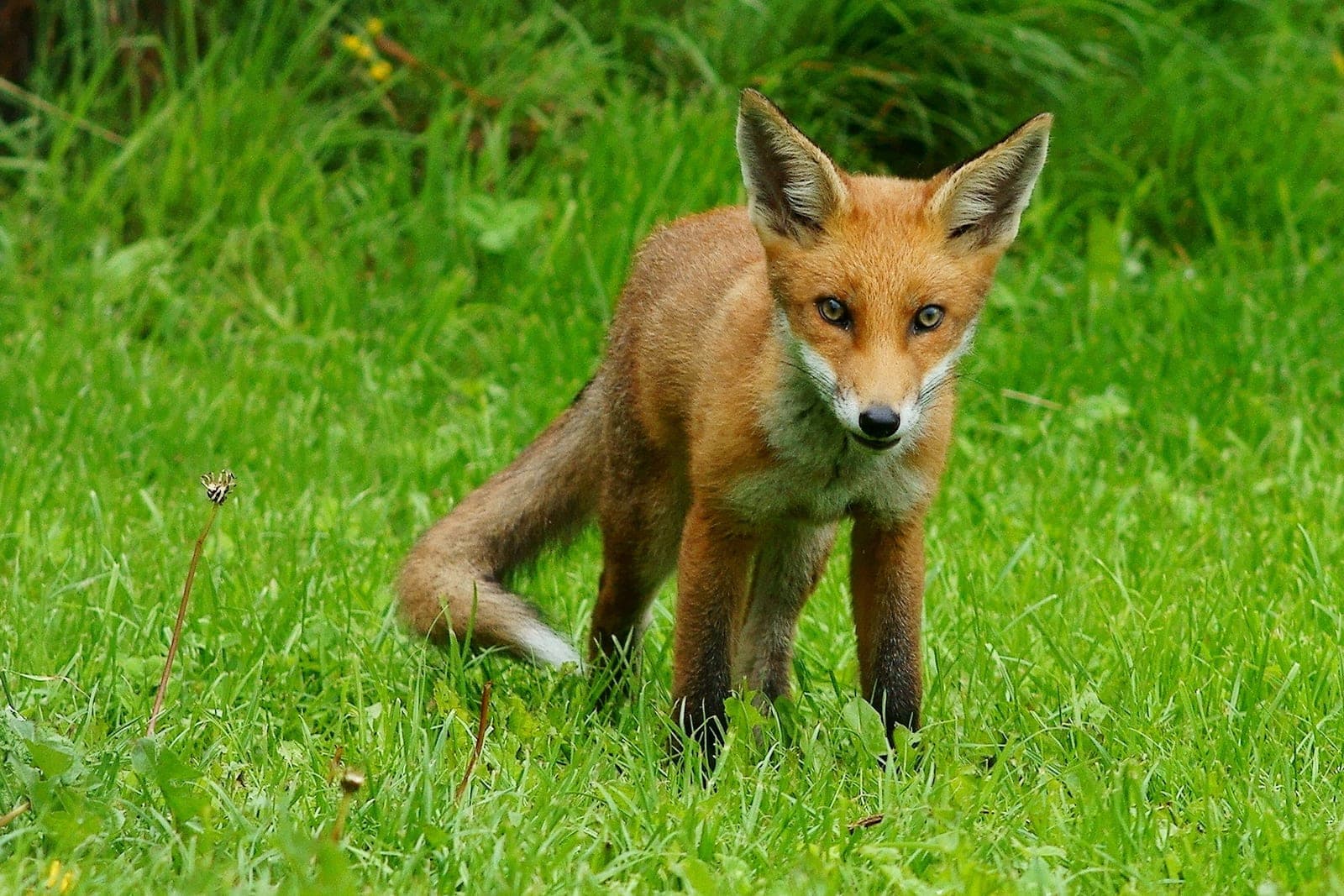
Why Fox Losses Rise in Autumn: Young Foxes on the Move
By Chris Donaldson · 30 October 2026
It's a pattern a lot of poultry keepers recognise. No trouble all summer, then in autumn the losses start again, sometimes on ground that hasn't seen a fox in months. It isn't bad luck. It's the point in the fox year when this spring's cubs leave home.
From cub to independent fox
Cubs are born underground from mid-March to mid-April and start appearing above ground at the den from mid-April. Through the summer they grow fast, and by late summer they're close to adult size and learning to hunt for themselves. As autumn arrives, the family group starts to break up.
Dispersal: new foxes on new ground
From mid-September through to December, many young foxes leave the territory they were born in and go looking for one of their own. Young males usually travel further than young females, some of which settle close to home. Dispersing foxes cross a lot of unfamiliar ground in a short time, which is why so many young foxes are killed on the roads in autumn. For sheep farms it matters beyond autumn: a fox that settles on the edge of your ground now is the fox that's still there when lambing starts, so the foxes that arrive this autumn shape your risk at lambing.
We hear from a lot of farmers once lambing has started and the problem is already there. By then you're dealing with it in the middle of your busiest weeks, with lambs at risk. Controlling foxes over the winter, ahead of spring, stops it before it begins. Prevention is better than cure, and it's far easier to sort before there's a problem than during one.
Why that means more losses
A young fox on the move is hungry, inexperienced, and hasn't learned which places carry risk. Hen houses, free-range units, and smallholdings along its route are exactly the kind of easy food it's looking for, and a fox that finds a way in once will come back. A run that has stood up to the local foxes all year can still be tested by a newcomer that tries every corner.
Why one fox gone doesn't always mean the end of it
When a territory falls empty in autumn, a dispersing fox can move into it within weeks. That's why secure housing matters all through autumn and winter, not just after a loss, and why control is aimed at the fox actually causing the problem rather than at foxes in general.
Then the breeding season starts
Dispersing foxes settle into their new territories towards the end of the year, and from mid-December the mating season begins, with foxes ranging widely at night and vixens screaming. Activity stays high into February, which is why winter is the main time for control, before cubs are born again in spring.
What to do this autumn
Shut birds in from dusk every night, check electric netting is working, and walk the run for any new weak points. If you do lose birds, work out whether it really was a fox and what to do in the first 24 hours. Where a fox keeps coming back, our fox control is free across Yorkshire and the North.
Wondering about your own land?
Give us a call and we'll talk it through.
Not sure it's a fox? Text a photo to Chris on 07397 942663 and he'll get back to you the same day.
More from the blog