
WCPG Explained: What the Woodland Creation Planning Grant Actually Funds
By Donaldson Deer Service · 10 June 2026
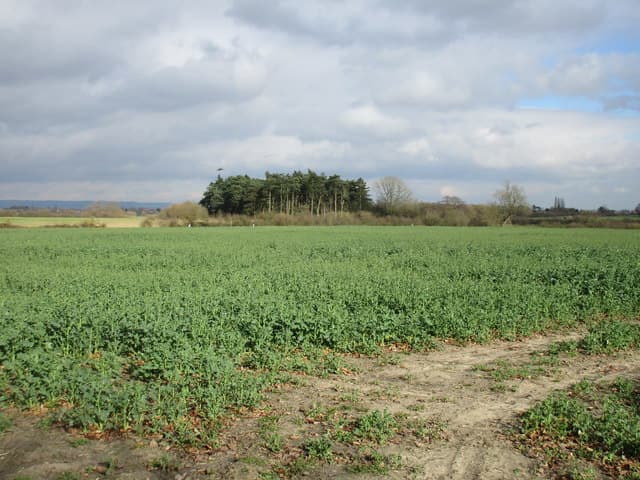
Photo: Jonathan Thacker / Geograph.org.uk, CC BY-SA 2.0
The Woodland Creation Planning Grant gets confused with EWCO often enough that it's worth saying plainly: WCPG doesn't fund planting, fencing, or guards. It funds the design work that has to happen before any of that goes in the ground.
What WCPG actually pays for
It covers the cost of preparing a proper woodland creation plan, in two stages. Stage 1 is a desk-based exercise to check the site's constraints and whether it's worth taking further, paid at a flat £1,500. Stage 2 takes that into a full design, paid at £150 per hectare minus the £1,500 already received. Total funding across both stages is capped at £30,500 per project.
Who it's for
It only applies to woodland creation of 5 hectares or more in total, with individual blocks at least 0.5 hectares and 20 metres wide. If you don't own the land, you'll need the landowner's consent to apply. It's also not available if you've already applied for EWCO on the same site, or filed an EIA enquiry for it. This is a grant for the planning stage, before those other routes come into play, not alongside them.
The part worth knowing about: funded specialist surveys
If the desk-based work in Stage 1 flags something that needs a closer look, you can apply for a supplementary payment to fund a proper specialist study. A deer impact assessment is one of the standard options listed alongside things like peat depth and archaeological surveys. In practice, that means the cost of finding out what deer are actually doing on a site, before you design fencing or guards around a guess, can be covered by the grant itself rather than coming out of your own pocket.
Why that matters before you get to EWCO
Every fencing and guard decision under EWCO comes down to what species are present and how much pressure they're putting on the site. Getting a Deer Number Survey & Impact Assessment done during the WCPG planning stage, rather than after planting has started, means the design you take into EWCO is built on real evidence instead of a standard assumption. For landowners anywhere across Yorkshire and the surrounding counties, that's usually the better order to do things in. Our Grants & Funding page has the current rates for both schemes side by side.
If the survey shows the deer pressure is lighter than expected, that's useful too. It might mean less fencing than planned, or none at all, which is exactly the kind of thing worth knowing before a design is locked in rather than after.
If you're ready to start the process itself, our Grants & Funding page walks through it stage by stage.
Wondering about your own land?
Give us a call and we'll talk it through.
More from the blog