
Protecting New Woodland from Roe Deer on a North Yorkshire Arable Farm
North Yorkshire · Started Spring 2025
At a glance
- Land
- Arable farm of around 300 acres with new woodland planting, North Yorkshire
- Problem
- Roe deer browsing and fraying newly planted trees for around 18 months
- Deer
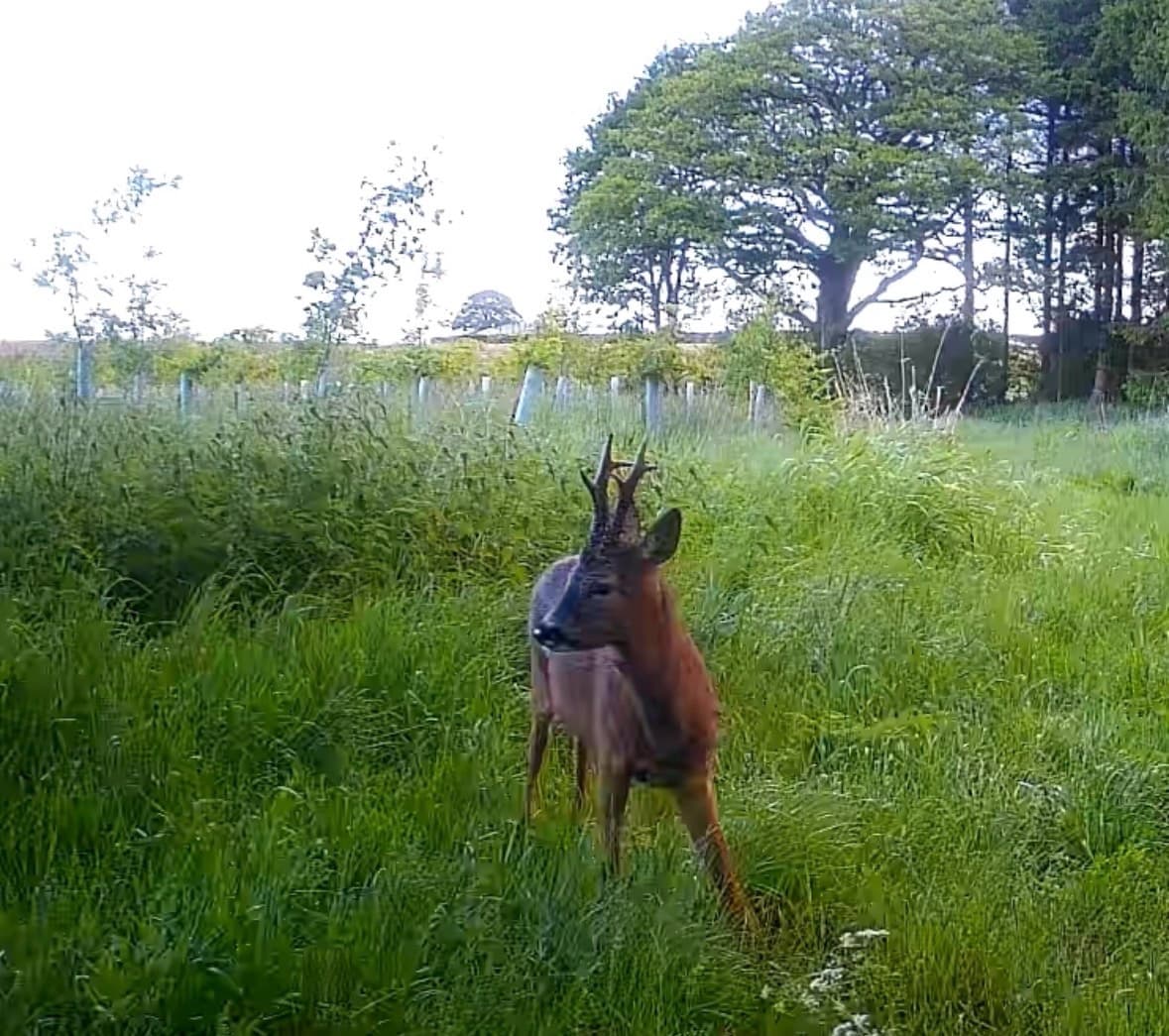
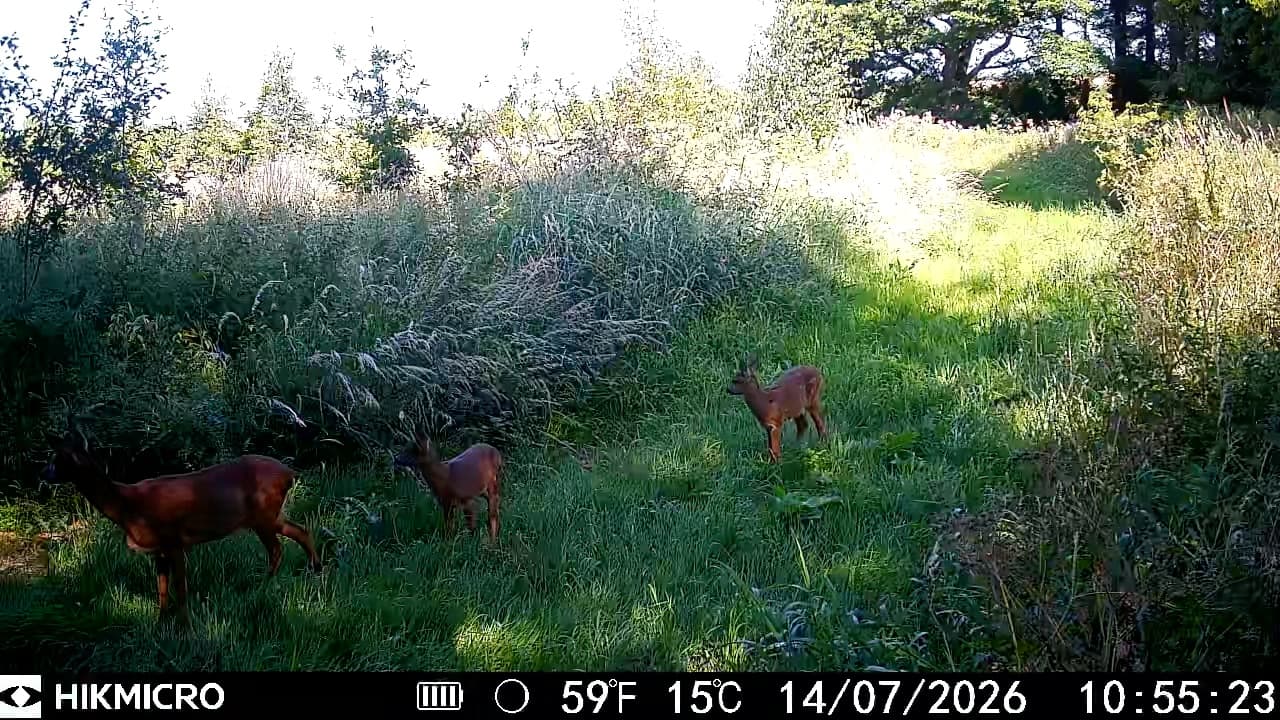
- 8–10 roe using the woodland
- What we did
- Survey, trail cameras, and a selective cull of 3 bucks over two seasons
- Result
- Browsing pressure significantly reduced; ongoing management in place
- Started
- Spring 2025
- Cost to the farmer
- Free
The problem
The farmer had planted new woodland on his arable farm and, for around 18 months, kept spotting roe deer in the plantation. The young trees were being browsed and frayed. They had guards, but those had been chosen for an earlier problem with rabbits and hares, so they weren't tall enough to stop roe (see guard heights for each species). He had no idea how many deer were involved.
Finding out what was really going on
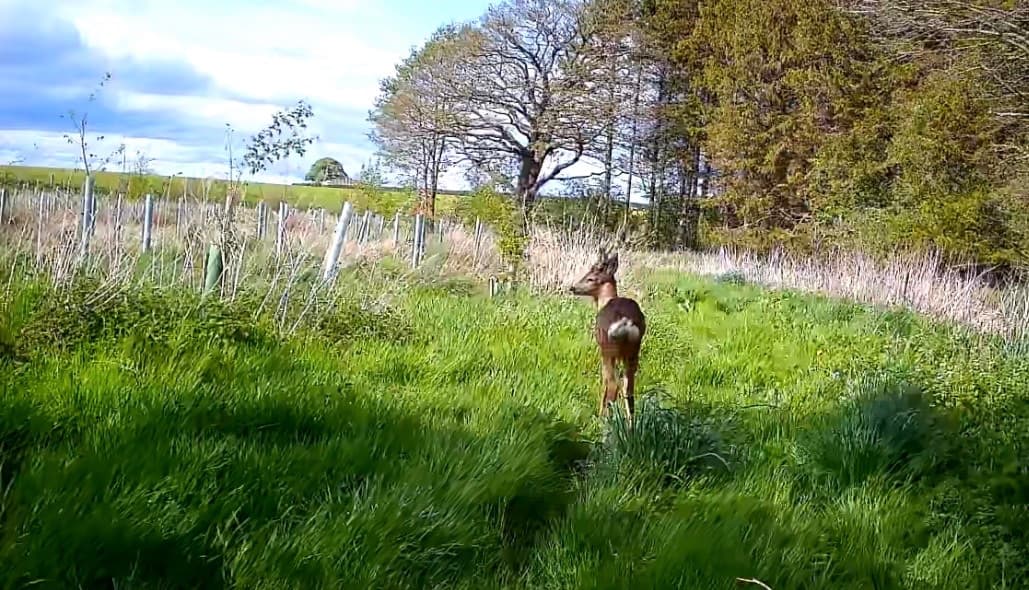
We started with a walked survey in daylight to look at the damage across the planting, and set trail cameras where the deer were coming and going. Dawn and dusk visits with binoculars and thermal confirmed what the cameras showed: around 8 to 10 roe were using the woodland, both passing through and browsing the new trees. The cameras also showed how often the deer visited, the routes they used in and out of the wood, the best times to see them, and which individual animals were which.
The plan
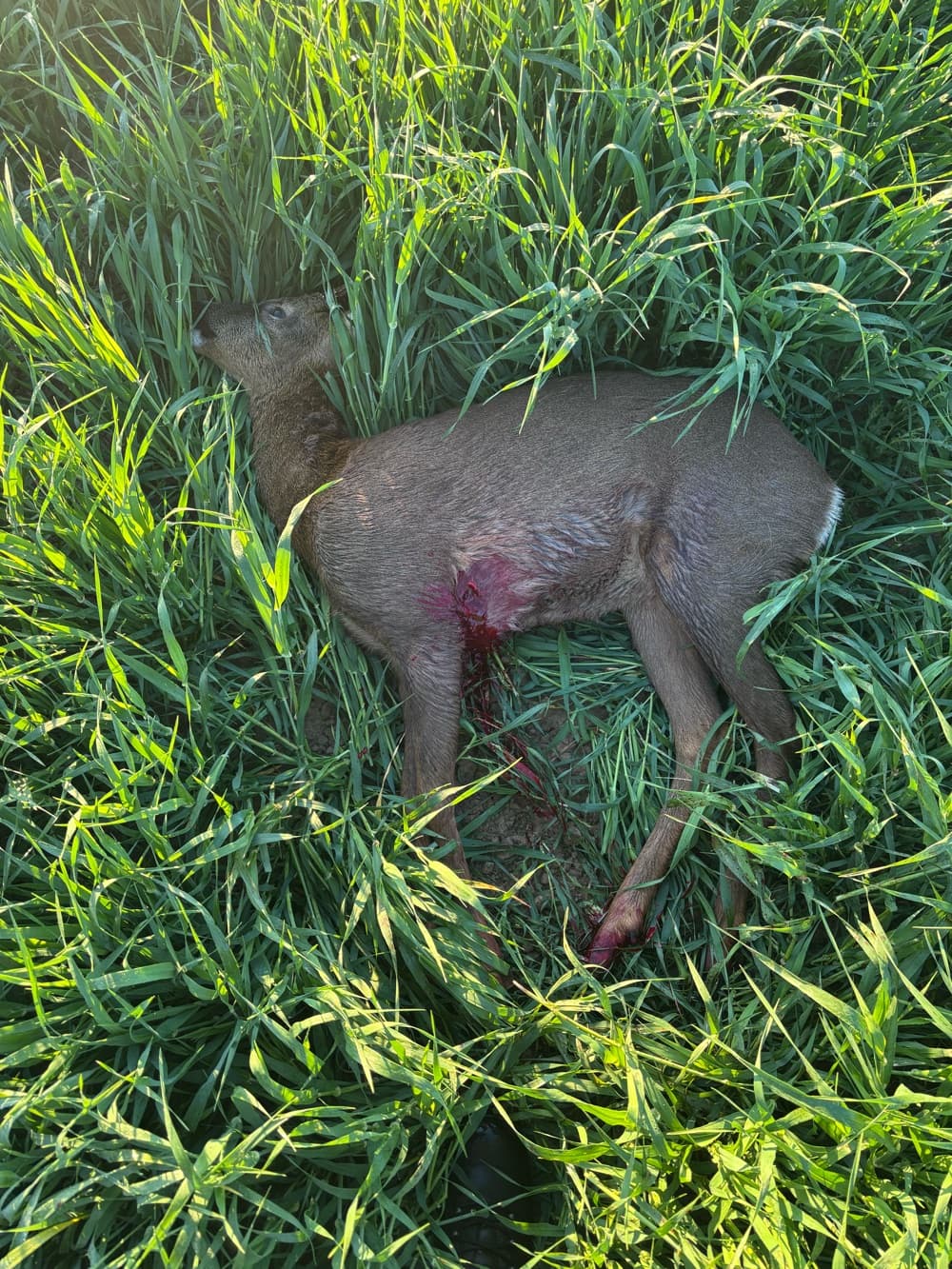
The farmer wanted to keep some deer on the land, not clear them. The bucks were doing the most damage, including fraying the young trees, so we agreed to thin the bucks rather than reduce the whole group. Using the camera footage, we picked out the poorer bucks. Work started in spring 2025, and three were culled over a few visits: one in 2025 and two in 2026.
Doing it safely
Part of the woodland sits near a boundary, so not every spot offered a safe shot. We used a Buttolo caller to draw bucks out of the wood into a safe shooting area, and put up a temporary high seat, which gave a good view over the ground and a safe position to shoot from. The farmer was kept up to date throughout, with a text before and after every visit, his preferred way to keep in touch.
The result
Browsing pressure on the new trees has dropped significantly. Just as usefully, the farmer now has a clear picture of how many roe are on his land and where they move in and out of the wood. That means he can decide what number he wants to keep long term. The deer and the new woodland are now in balance, and venison from the cull was shared back with him.
What happens next
We still manage the deer on the farm. The trail cameras stay in place, keeping track of numbers and the health of the deer left on the ground, so any further culling is based on what's actually there.
Got a similar problem on your land?
Every job starts the same way: finding out what's really going on, free of charge. Give us a call and we'll talk it through.
Or call Chris on 07397 942663. He'll call you back the same day.
More case studies