Bluetongue and Deer: What the Link Is, and Why It Matters to Farmers
By Chris Donaldson · 6 November 2026
Bluetongue is the animal disease farmers are talking about most at the moment, and deer keep coming up in the conversation. It's worth getting the facts straight, because the link between deer and bluetongue is real but easy to overstate, and the animals are not the cause of the problem.
How bluetongue spreads
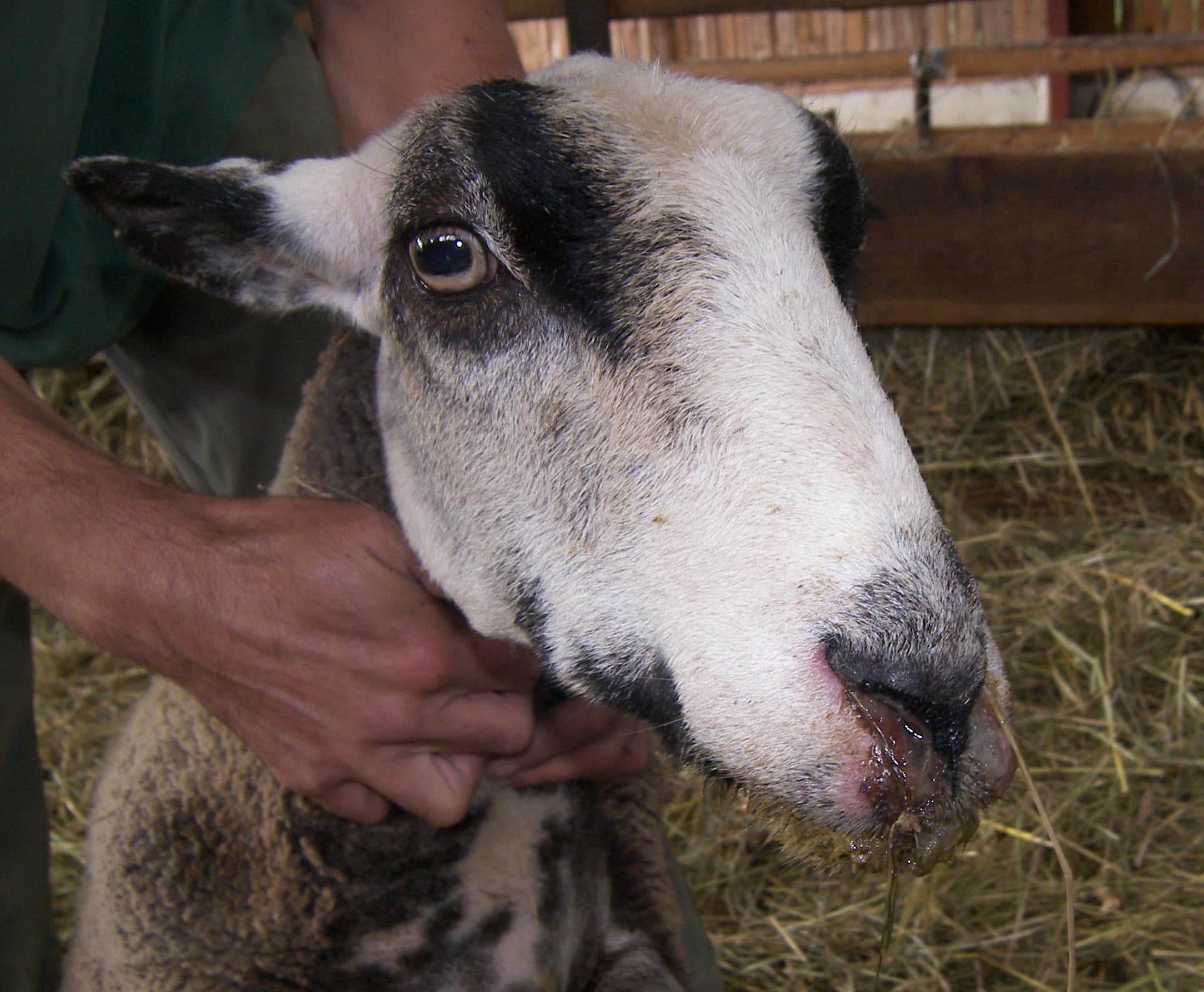
Bluetongue is a viral disease of ruminants, spread by biting midges. A midge feeds on an infected animal, picks up the virus, and passes it on when it feeds on the next one. It doesn't spread directly from animal to animal. Defra and the Animal and Plant Health Agency state that bluetongue does not affect human health or food safety, though the Chief Veterinary Officer's guidance is clear that it can hit livestock farms hard, causing productivity problems such as reduced milk yield and, in the most severe cases, death. That guidance was published in July 2024, so it's the official position as I write this, not a new finding. That's why the disease follows the midge season, which runs through the warmer months, and why cases tail off as the weather turns cold. The midges are the engine of the outbreak, and that's the first thing to hold onto.
England has been a bluetongue restricted zone for the BTV-3 strain since 1 July 2025, and Wales and Scotland have since set up their own zones. The current case numbers, movement rules, and vaccination position change often, so this post reflects the information available at the time of publication, 6 November 2026. Check the government's bluetongue latest situation page rather than relying on anything written in a blog post, this one included.
Where deer come in
Deer are ruminants, so they can be infected. Studies in continental Europe, mostly on earlier strains of the virus, have found antibodies to bluetongue in red, fallow, and roe deer, usually in animals that showed little or no sign of illness. Red deer showed the highest rates in several of those studies. That's the link. A deer can be bitten by a midge, carry the virus without looking unwell, and be bitten again by a midge that then goes on to feed on a sheep or a cow.
What that doesn't show is how much deer actually drive the spread. The European work points to deer as possible silent hosts, and the authors of those studies say more research is needed. I'm not aware of UK evidence that settles it either way, and the main routes by which bluetongue has moved around are midges and the movement of livestock.
Why it still matters to farmers
Livestock movements can be restricted, tested, and controlled. Wild deer can't. They cross farm boundaries, wander through woodland and hedgerow, and share the same fields, water, and midge-rich cover as your stock. Even if deer are only a minor part of the picture, they're part of it that no movement licence can reach. For a farm trying to keep the disease out, or to stop it going round again next summer, that's worth knowing.
The cost to farmers is plain enough: sick and dead sheep, cattle that lose condition and milk yield, fertility problems and abortions, and the restrictions and testing on top. Sheep tend to be hit hardest, though cattle suffer as well. That's reason enough to take the disease seriously, and it's why anything that touches how it moves through the countryside is worth understanding.
Deer aren't the villains here
Deer didn't bring bluetongue into Britain and they aren't spreading it on purpose. A deer that's been bitten by a midge is a victim of the same insect your sheep are. This isn't a case for blaming the animals, and the message isn't that deer need to be got rid of. It's that where you have a lot of deer, it helps to know it.
What farmers can actually do
Most of the protection against bluetongue is the usual livestock work: vaccination where it's available and advised by your vet, keeping to the movement and testing rules, and reporting anything suspicious. Bluetongue is notifiable, so if you suspect it in your stock, you report it to APHA.
On the deer side, the useful step is to know how many deer are using your land and which species they are, because that tells you how much wildlife is in the mix around your stock. A free deer survey gives you that. Where numbers are high, deer management is carried out selectively and within the seasons, and it costs you nothing. It's good for the crop, the hedges, and the woodland as well, and a more balanced deer population is simply a sound thing to have on a livestock farm. To talk it through, get in touch.
Wondering about your own land?
Give us a call and we'll talk it through.
Or call Chris on 07397 942663. He'll call you back the same day.
More from the blog