
Ground-Nesting Birds and Fox Control: Balancing Conservation and Predation
By Chris Donaldson · 4 October 2026
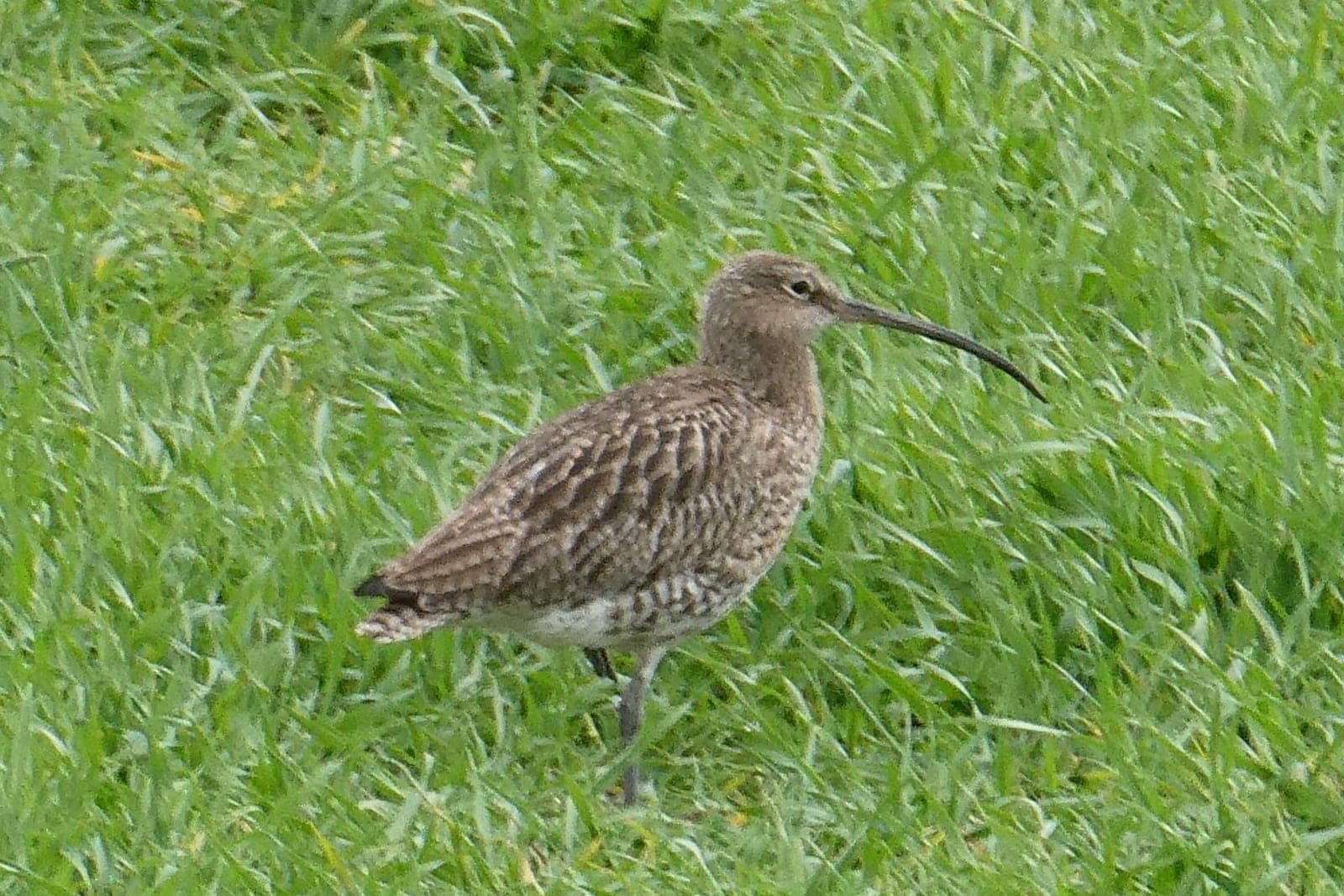
Ground-nesting birds like curlew, lapwing, and skylark build nests directly on the ground, with no height or cover to put between the eggs and a passing fox. On land being managed to bring these species back, fox pressure is often the single biggest factor in whether a season's nesting attempts actually succeed.
Why ground-nesting species are so exposed
A nest on open ground relies almost entirely on camouflage and the parent bird's vigilance, neither of which does much against a fox working methodically along a hedgerow or field margin at dawn or dusk, exactly when these birds are most active. Nest failure rates on land with unmanaged fox pressure are consistently higher than on land where it's kept in check.
Where predator control fits into stewardship schemes
Conservation work for ground-nesting birds increasingly recognises that habitat creation alone isn't enough if predator pressure undoes it every breeding season. Restoring the right habitat and then losing every nest to predation isn't a result anyone managing that land actually wants, and it's increasingly recognised as part of the same job rather than a separate one. That's especially true on wader strongholds like the Forest of Bowland in East Lancashire and Upper Teesdale in South Durham.
Getting the balance right
The aim isn't removing every fox from a piece of land, which is neither realistic nor necessary. It's reducing pressure enough during the nesting season for ground-nesting species to get a fair chance, which is a narrower, more targeted job than general fox control elsewhere on a farm. Our fox control service is assessed the same way as everything else we do: based on what the land and the situation actually need, not a blanket approach.
Wondering about your own land?
Give us a call and we'll talk it through.
Not sure it's a fox? Text a photo to Chris on 07397 942663 and he'll get back to you the same day.
More from the blog